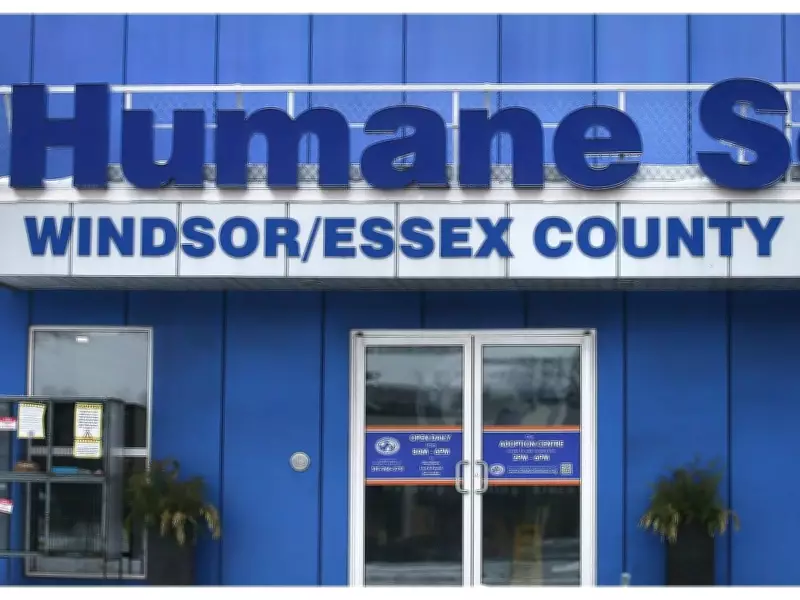
Windsor Humane Society to Appeal Court Ruling on Member Voting Rights
The Windsor/Essex County Humane Society has announced it will appeal a recent court decision that criticized the organization for acting in bad faith when it denied voting rights to more than 200 new members in 2024. In a statement released on Thursday, the board expressed respect for the Ontario Superior Court of Justice's ruling but emphasized that an appeal is necessary to address significant legal and procedural issues involved in this contentious matter.
Court Ruling and Its Implications
On February 4, Justice Jasminka Kalajdzic ruled that all 224 individuals who registered for membership between June 11 and October 4, 2024, were valid members with full voting rights. This decision came after a lawsuit was filed when nearly 200 of these new members were informed they were ineligible to participate in board votes, despite having signed up earlier that year.
According to the judge's ruling, any appointments to the board of directors made on or after October 4, 2024, along with all other business conducted at the December 20, 2024, members' meeting, must be put back to a vote by all entitled members. This move aims to restore democratic processes within the organization.

Background of the Dispute
The conflict arose following a surge in paid memberships after the abrupt termination of longtime executive director Melanie Coulter on June 25, 2024. Ahead of the organization's 2024 annual general meeting, the humane society board retroactively denied voting privileges to new members as it prepared to adopt a new governance model.
At a meeting on October 4, 2024, eligible members voted 17-10 in favor of amending its bylaws to replace the existing open governance model, where any member could vote at meetings, with a closed model in which only board directors hold voting rights. Those who joined earlier in 2024 were initially told they would be permitted to vote at the annual general meeting but were later barred from doing so.
Legal Arguments and Precedent
Justice Kalajdzic noted in her ruling that Coulter's termination was very controversial among employees, volunteers, and the public at large. Andrew Colautti, counsel for the applicants, argued in court that Coulter's dismissal was central to the board's decision to deny admission to new members ahead of the October bylaw vote. He contended that the board believed the new members supported Melanie Coulter and that excluding them from the vote amounted to bad faith.
The applicants have stated that this decision sets an important precedent in Ontario jurisprudence, reaffirming the importance of member democracy and director accountability in the province's not-for-profit and charitable sector. They view the ruling as a victory for transparency and ethical governance.
Next Steps and Organizational Response
The humane society board, while acknowledging the court's decision, maintains that the appeal is crucial to clarify novel legal questions surrounding membership rights and governance structures. The organization has faced significant public scrutiny over this issue, with many community members expressing disappointment in its handling of the situation.
As the appeal process moves forward, stakeholders will be watching closely to see how this case shapes future practices in nonprofit organizations across Ontario. The outcome could have far-reaching implications for how similar disputes are resolved in the charitable sector, emphasizing the need for clear bylaws and fair treatment of members.