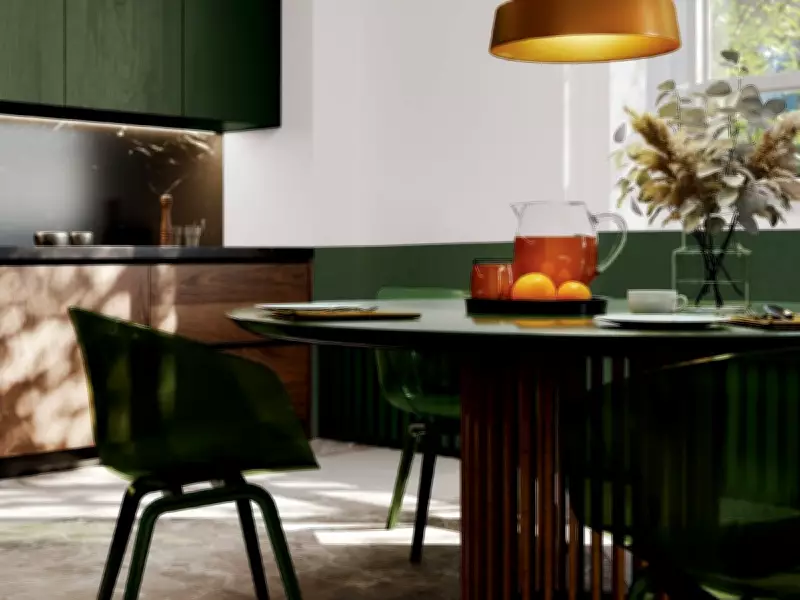
Within seconds of entering a room, the human brain processes visual stimuli to determine if a space feels safe, clean, energetic or chaotic. Designing a home that engages all five senses can transform a house into a sanctuary. By integrating sight, touch, sound, smell, and taste, you can create a space that feels balanced and inviting.
Engaging Sight Through Color and Balance
Sight is usually the first way a person interacts with a space, and it shouldn't be overwhelming, says Natalia Kwasnicki, partner at Vancouver-based Portico Design Group. “You want the space to wash over you and allow your eye to consume it for all its parts and then enjoy those parts together. Things like balance, proportion and alignment help to build up the narrative of the space in a gentle, smooth way. It’s like a lightbulb slowly glowing brighter versus it suddenly turning on at full volume,” she explains.
Oriana Gagnon Martinez, colour specialist at Sico Paint, notes that colour is a way to immediately assess a space. There is a shift in neutrals from whites and greys to greiges and soft browns, as well as an increase in popularity of greens and blues. “Greens, blues and earthy tones mimic the natural world, which has been scientifically proven to reduce cortisol levels,” says Martinez. Earthy browns and greens bring a sense of cosiness that greys or whites simply cannot provide. Neutral tones and earthy colours suggest stability and cleanliness, lowering the cognitive load and making the space feel more inviting.

The Role of Texture in Sight and Touch
While it’s difficult to separate sight and touch when talking about texture, touch is vital for items you physically interact with. “The feeling of a carpet underfoot, the softness of a sofa, the fluffiness of a throw pillow creates a certain cosy mood in a home. Texture creates a feeling of something that you can tuck into, like a sweater,” says Kwasnicki.
Charyle Ross, principal of Burnaby-based Ross & Company Interiors, says including different textures of fabrics, woods and metals gives a space visual depth. “Without the combination of multiple textures, spaces can become very flat and one dimensional,” she notes. For minimalist homes, adding a wool throw creates contrast with clean, simple lines of contemporary pieces.
Sound: The Often Overlooked Sense
Sound plays a crucial role in setting the mood. Soft background music, the trickle of a water feature, or even the gentle hum of a fan can create a calming atmosphere. Consider adding elements like wind chimes or a sound system that allows you to control the auditory environment. Carpets and curtains can also help absorb sound, reducing echoes and creating a quieter, more serene space.
Smell: Scenting Your Space
Scents can evoke memories and emotions. Use essential oil diffusers, scented candles, or fresh flowers to introduce pleasant aromas. Lavender, chamomile, and eucalyptus are known for their calming properties, while citrus scents can energize a room. Be mindful not to overwhelm; subtle scents are often more effective.
Taste: The Final Touch
While taste is not directly part of interior design, incorporating a small herb garden in the kitchen or offering a bowl of fresh fruit can engage the sense of taste. A well-stocked tea or coffee station also invites moments of sensory pleasure. The act of sipping a warm beverage can enhance the overall feeling of comfort and relaxation.
Job booking platform Taskrabbit released its first trend report earlier this year, The Five Senses of Home: How Canadians Are Designing Spaces in 2026. For sight, it found tasks featuring neutral tones are up (+53 per cent), including greens (+35 per cent), browns (+23 per cent), and blues (+17 per cent). By thoughtfully integrating all five senses, you can create a home that feels truly harmonious.