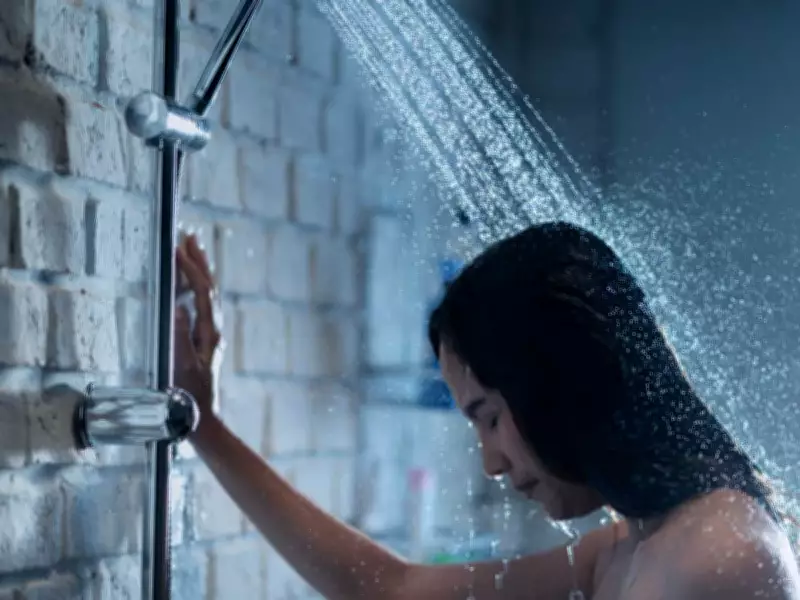
TikTok's latest wellness trend, known as "dark showering," is gaining traction among sleep-weary individuals seeking a natural way to enhance their nightly rest. This practice involves lathering up in minimal lighting, and experts suggest it could be a valuable addition to bedtime routines, especially after disruptions like daylight saving time adjustments.
The Science Behind Dark Showering
While direct research on dark showering is limited, sleep specialists highlight that two core elements of this ritual—light exposure and body temperature—are closely tied to the sleep-wake cycle. Dr. Mark Boulos, a sleep neurologist at Sunnybrook Health Sciences Centre's Sleep Laboratory, emphasizes that dimming the lights can boost melatonin production, a hormone that regulates circadian rhythms.
"Melatonin naturally peaks during darkness and declines in daylight," Boulos explains. "Bright light in the evening can delay its release, tricking the brain into thinking it's still daytime."

Warm Water and Relaxation Effects
In addition to low lighting, bathing in warm water plays a crucial role. Warm water dilates blood vessels in the extremities, leading to a subsequent drop in core body temperature upon exiting the shower. This cooling effect signals the brain to release melatonin, facilitating drowsiness and a smoother transition to sleep.
"Dim light plus warm water can work synergistically to help people fall asleep faster," Boulos adds.
Mindfulness and Meditative Benefits
Beyond physiological factors, dark showering offers a calming, meditative experience. Dr. Allie Hare, a sleep consultant at London's Royal Brampton Hospital, notes that this practice supports relaxation through mindful engagement with the senses.
"Experiencing showering in dim light can help with winding down and switching off before bedtime," Hare says. Sleep coach Patricia Read from Goldilocks Sleep Solutions echoes this, highlighting how darkness allows other senses to dominate, such as the feel of warm water and soothing sounds, which can visualize worries being washed away.
Practical Recommendations and Safety Tips
For those interested in trying dark showering, experts recommend a warm shower lasting about 10 minutes, taken one to two hours before bedtime. A 2019 study in Sleep Medicine Reviews found this can reduce the time to fall asleep by approximately nine minutes and improve sleep efficiency.
Safety is a key consideration; the trend does not advocate for complete darkness. Dr. W. Christopher Winter, a neurologist and sleep specialist, advises against pitch-black conditions in slippery bathrooms. Instead, he suggests:
- Installing a dimmer switch or using bulbs with lower blue light levels.
- Using a wireless lamp or nightlight if a dimmer isn't feasible, avoiding corded lamps due to wet environment risks.
Limitations and Holistic Sleep Strategies
While dark showering shows promise, experts caution it is not a cure-all for chronic sleep issues. Dr. Chelsie Rohrscheib, a neuroscientist and head sleep researcher at Wesper, notes that individuals with underlying sleep disorders may require medical intervention for significant improvement.
To maximize benefits, incorporate other evidence-based habits:
- Maintain a consistent sleep schedule.
- Avoid caffeine at least six hours before bedtime.
- Limit exposure to bright overhead lighting in the evening.
Dark showering represents a simple, accessible trend that leverages natural sleep mechanisms, but it should be part of a broader approach to sleep hygiene for optimal results.