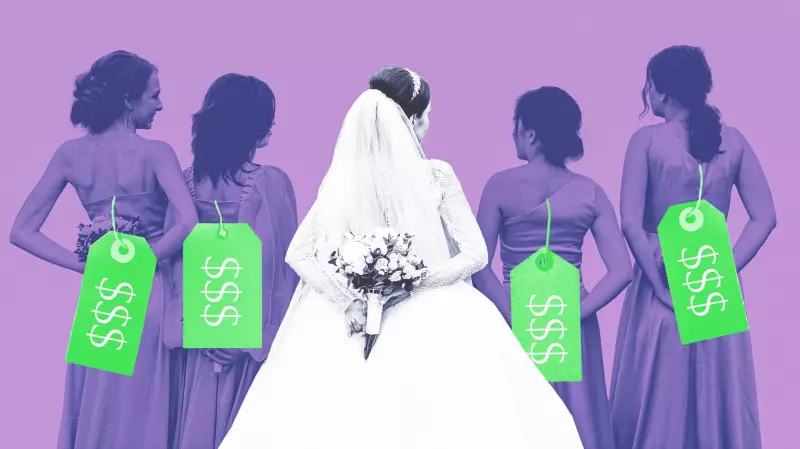
Last September, I marked my 29th birthday in a low-key Manhattan dive bar, a deliberate departure from my usual festive celebrations. The sticky floors and casual beer suited my mood perfectly. I was exhausted. In the weeks prior, I had been immersed in the intricate, costly planning for my best friend's wedding—a labour of love that left me mentally drained and financially stretched.
The Invisible Workload of Wedding Guests
The morning after my quiet birthday, I arrived at the destination wedding hotel after an early flight. As my friends and their partners lingered in the lobby, I stepped forward to handle check-in, confirming reservations and tracking expenses. In that moment, the familiar dynamic crystallized: I was less a guest and more an unofficial event coordinator. This scene is a microcosm of a universal truth: during wedding season, women are often the ones holding everything together, paying a price that extends far beyond money.
This price is paid in time, energy, and unacknowledged emotional labour. Women frequently manage the entire guest experience—from coordinating group chats and booking accommodations to selecting the perfect outfit and a meaningful gift. In contrast, men often arrive prepared with a suit and a Venmo transfer ready. This imbalance is rooted in deep-seated societal expectations that link women to weddings, burdening them with the success of the event's details and emotions, even when they aren't the ones getting married.

The Data Behind the Financial Strain
The financial impact is significant and measurable. According to a recent survey by Ally Bank, Gen Z and millennials report spending an average of $225 attending friends' weddings in a six-month period, with millennials nearing $250. Nearly half have skipped major events due to prohibitive costs. For women, these costs are compounded by the persistent wage gap, beauty expectations, and the so-called 'pink tax.' The total outlay for airfare, gifts, glamorous attire, and precious paid time off has incrementally ballooned.
Jack Howard, head of money wellness at Ally Bank, notes a moral dimension to this spending. "There's a real internalized pressure to 'show up well,'" he says. For many women, attendance isn't just about presence; it's about being polished, thoughtful, and prepared—a standard that often translates to splurging on the right dress or gift. This creates a form of invisible labour and expense that men are not socially conditioned to shoulder.
A Generational Shift in Awareness
Gen Z feels this pressure acutely. Raised in a visual, social media-driven culture, they understand that events are for documenting. The pressure to curate a perfect, unrepeatable look for photos is part of the new social contract. However, this generation is also more open about financial stress, discussing budgets and burnout candidly with peers. This honesty represents a small but meaningful shift toward acknowledging the unsustainable costs of modern celebration.
The scope of this burden expands globally. In South Asian weddings, multiple pre-wedding ceremonies like the mehndi and sangeet require separate outfits, gifts, and social energy. Similarly, in some Latin American traditions, women are expected to participate in numerous religious and family events, absorbing extra expenses and emotional labour. Even American weddings have evolved into multi-day productions with destination events and elaborate bachelorette trips, raising the stakes for everyone, especially women.
I cherished being part of my best friend's wedding and would not trade that experience. Yet, I left with a stark awareness of how much women are expected to give—financially, logistically, and emotionally—in the name of love and celebration. We are taught to smooth edges and fill gaps, often at the expense of our own well-being.

Until we name this imbalance, it will persist. It shows up in scaled-back birthdays, sacrificed vacation days, managed group chats, and justified credit card charges. The cost is cumulative and often surfaces when we least expect it. The most radical act a woman can take during wedding season may not be finding the perfect dress, but pausing to ask what is truly sustainable. It's deciding what she is willing to carry and challenging the expectation of perfection. Not every moment needs optimization, not every cost needs absorption, and not every celebration requires a woman behind the scenes making it seamless.
Everyone deserves the wedding they envision, but supporters are allowed to set boundaries. Letting go of some expectations does not mean loving less. Sometimes, it's the only way to ensure we can keep showing up at all.