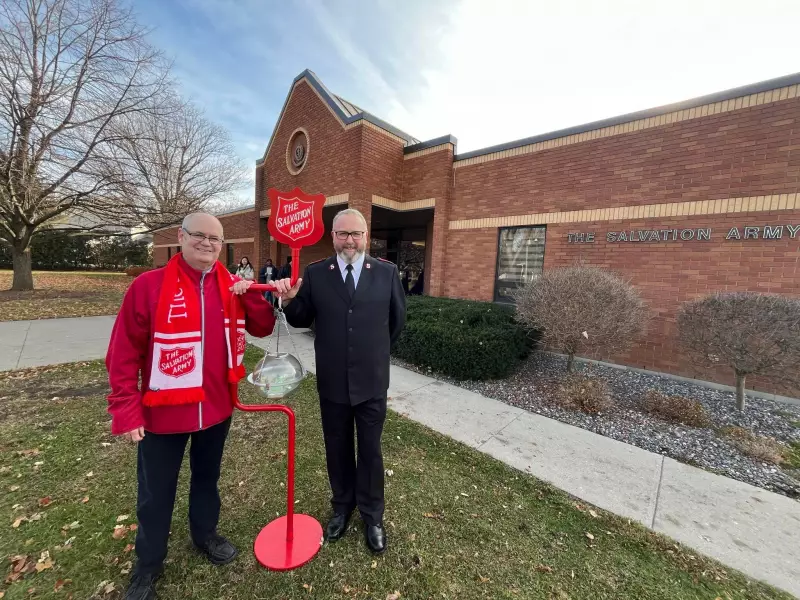
The Salvation Army's signature Christmas Kettle campaign in Windsor, Ontario, has wrapped up its 2025 efforts with a significant shortfall in its fundraising target. The campaign, which is a crucial annual initiative for the charitable organization, did not reach its financial goal this holiday season.
A Critical Shortfall for Community Services
The iconic red kettles and their accompanying bell ringers were a familiar sight across Windsor starting from November 24, 2025. These volunteers stood outside various retailers, collecting donations that directly fund a wide range of year-round programs. The funds raised are not just for Christmas hampers; they support food banks, shelter services, addiction recovery programs, and youth initiatives throughout the entire year.
While the exact dollar amount of the shortfall was not disclosed in the initial report by Rob Hindi, the fact that the campaign "comes up short" indicates a meaningful gap between the funds raised and the amount needed to sustain these essential community services. This result is particularly challenging as the organization faces increasing demand for its assistance.

Understanding the Potential Impact in Windsor
This fundraising gap will have real consequences for the Windsor community. The Salvation Army operates several key facilities and programs in the region, including the Windsor Community and Rehabilitation Centre. A shortfall in the kettle campaign, often one of their largest annual fundraisers, may force difficult decisions regarding the scope and capacity of their services.
Programs that could be affected include emergency food assistance, utility bill support for low-income families, and outreach services for the city's most vulnerable populations. The timing is also critical, as the post-holiday winter months typically see a spike in the need for warm shelter and hot meals.
Looking Ahead After the Campaign
The conclusion of the 2025 kettle drive does not mean the opportunity to help has passed. The Salvation Army consistently emphasizes that donations are accepted year-round. Community members in Windsor who wish to offset the campaign's shortfall can still contribute directly to the local branch through online portals, text-to-donate options, or mailed cheques.
Organizational leaders are likely to analyze the factors behind this year's result. Potential influences could include changing donor habits, economic pressures on households, increased competition for charitable dollars, or even volunteer availability during the campaign period. Understanding these trends will be vital for planning a more successful 2026 campaign.
The unwavering need for the Salvation Army's work in Windsor remains, making community support more important than ever. The outcome of this campaign serves as a reminder of the ongoing challenges faced by social service organizations and the critical role of local generosity.