In a remarkable display of community spirit and literary passion, a volunteer-powered network of used bookstores in Ottawa is quietly moving mountains of pre-loved literature, generating an impressive $500,000 in annual sales. This operation, run by the Friends of the Ottawa Public Library (FOPLA), is proving that a model built on donations and goodwill can thrive, even as economic pressures push more readers toward second-hand options.
A Thriving Network Fueled by Generosity
The scene repeats itself across the city: on a Saturday morning in Nepean, shoppers exit the James Bartleman Archives and Library Materials Centre with tote bags straining under the weight of paperbacks, each priced lower than a typical cup of coffee. Simultaneously, in Stittsville, stacks of donated titles at the Re-Read Used Books counter disappear almost as quickly as they arrive. These are the visible signs of a robust, multi-track used book ecosystem in Ottawa, where FOPLA stands as the largest player.
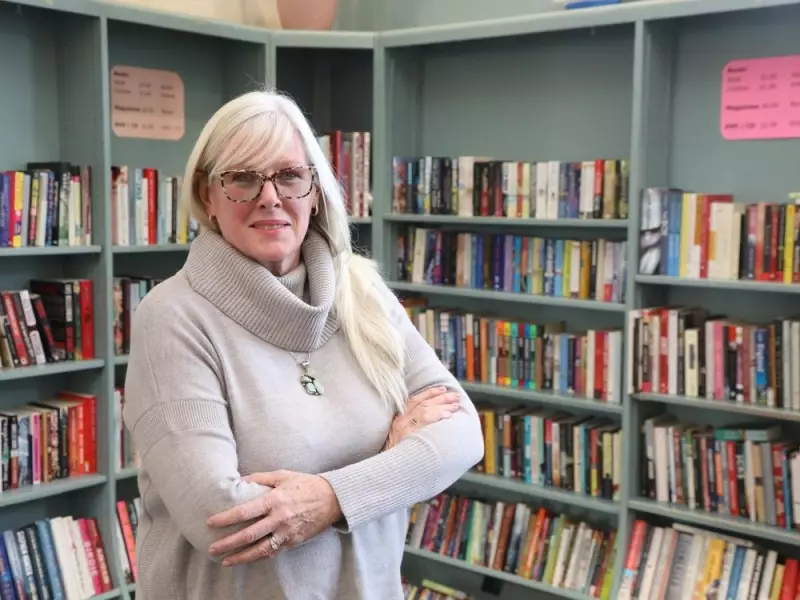
Operating an astounding 31 points of sale, FOPLA's entirely volunteer-run network funnels all proceeds back to the Ottawa Public Library (OPL) for initiatives beyond the city's core budget. According to Kathleen O'Connell Renaud, FOPLA's executive director, these annual gifts support author talks, youth publishing projects, library technology upgrades, and new furnishings.

The Secret to Half a Million in Sales
How does a volunteer organization achieve such scale? The model is elegantly simple and overhead-free. FOPLA pays no rent for its spaces within library branches and has no paid retail staff. Its inventory comes entirely from public donations and weeded library stock. With just two part-time employees coordinating efforts and a board that works unpaid, the organization keeps costs minimal.
Books are priced affordably, typically between one and three dollars, often undercutting even thrift stores. Managers at each branch carefully track sales data, requesting targeted stock from the central distribution centre in Nepean to tailor selections to local reader preferences. Children's books are the fastest sellers, though French-language titles remain in higher demand than supply.
The organization's monthly "mammoth sales" at the Tallwood Drive distribution centre are major events, with volunteers wheeling out cart after cart of books to crowds of eager buyers. A single weekend event can generate between $5,000 and $6,000 in revenue. "Our sales have just been going up and up and up," O'Connell Renaud noted, highlighting the growing demand.
Complementing, Not Competing, with the Market
In an interesting twist, FOPLA's success appears to coexist with Ottawa's independent used booksellers, feeding the same growing demand for affordable reads driven by higher living costs. The organization has even been offered inventory from traditional bookstores that are closing down. However, O'Connell Renaud explains they often must decline due to volunteer capacity limits. "We get so many donations from the public and from OPL that we haven't really experienced any lack of inventory," she said.
This scale places FOPLA squarely in the "medium" tier of Canadian bookselling as defined by BookNet Canada's national industry survey—a significant achievement for a operation with no traditional retail overhead. The story of FOPLA, detailed in a January 17, 2026 report, is ultimately one of community synergy. It demonstrates how donated books, volunteer hours, and a partnership with a public institution can create a sustainable cycle that enriches literacy, supports library services, and provides Ottawa residents with accessible literature for years to come.