A Quebec-based non-governmental organization operating out of Montreal has been prohibited from continuing its humanitarian work in the Gaza Strip, with its leadership asserting that Israeli authorities are deliberately politicizing the delivery of essential aid. The accusation comes amid an ongoing and severe humanitarian crisis in the region.
The Allegations from the Ground
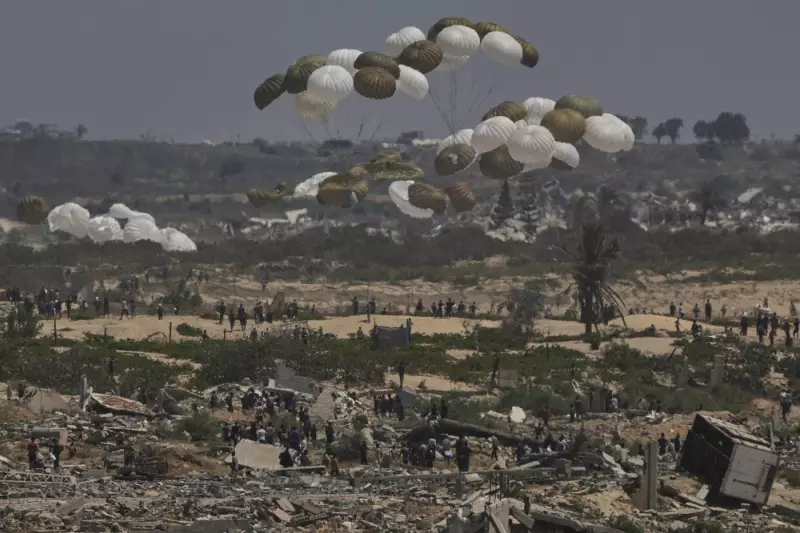
The NGO, which was not named in the initial report by journalist Erika Morris published on January 02, 2026, claims its operations were abruptly halted by Israeli officials. Representatives of the group argue that access to life-saving supplies like food, water, and medical equipment is being used as a political instrument, complicating relief efforts for Palestinian civilians. The report references an image from August 20, 2025, showing Palestinians rushing to collect airdropped aid in Nuseirat, central Gaza, highlighting the persistent and desperate need for assistance.
Context of a Deepening Crisis
This incident is not isolated but reflects broader tensions and challenges in coordinating aid delivery into Gaza. International agencies have repeatedly cited complex inspection processes, security restrictions, and bureaucratic hurdles that delay or prevent aid from reaching those in need. The Montreal NGO's experience adds a direct Canadian perspective to these international concerns, suggesting that humanitarian imperatives are being overshadowed by political considerations.

The group's work involved direct support to vulnerable populations in Gaza, where infrastructure has been devastated and civilian casualties remain high. Their exclusion from the territory effectively cuts off a channel of support funded and organized by Canadian donors and volunteers.
Implications and International Response
The allegations raise serious questions about the principles of impartial humanitarian aid as outlined under international law. If aid access is contingent on political factors rather than need, it violates core tenets of neutrality and independence observed by organizations like the International Red Cross and Red Crescent Movement.
This development is likely to prompt calls from the Canadian government and other international actors for greater transparency and adherence to humanitarian law in the conflict zone. It also places a spotlight on the role of smaller, grassroots NGOs that often operate in the most difficult conditions but face significant barriers from governing powers.
The situation remains fluid, with no immediate resolution in sight for the NGO or the civilians it aims to serve. The group's public stance, however, ensures that the issue of politicized aid will remain part of the international dialogue surrounding the Gaza conflict as efforts continue to address one of the world's most pressing humanitarian emergencies.