Eight months after a deadly vehicle ramming at a Vancouver festival, survivors and their families are locked in a desperate struggle for stability. As the initial wave of community support recedes, they are confronted with relentless and rising costs for essential care, housing, and specialized therapy.
A Family's Life Upended by Trauma
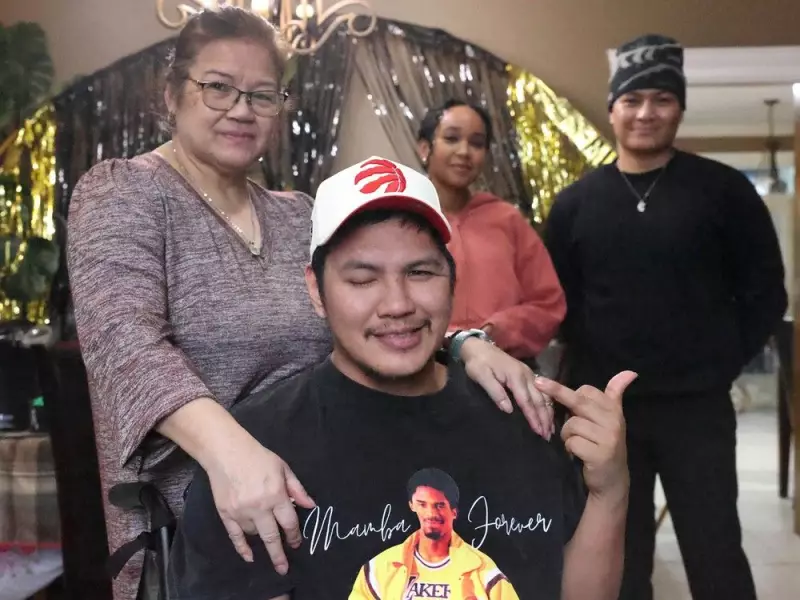
The daily reality for the Sico family of Surrey illustrates the profound and lasting impact of the April 26th tragedy. AJ Sico, 30, remains in a South Vancouver care facility, his body bearing the scars of the attack that killed his cousin and 10 others. He suffered a traumatic brain injury, multiple broken bones, and nerve damage to his right eye.
"I never expected to see my adult son like this," says his mother, Jhosie Sico, 63. The retired hospital care aide spends every day and night at her son's side, sleeping in a recliner chair. AJ requires constant care, is unable to walk or speak clearly, and communicates primarily through sounds.

"It is like my son is a baby all over again. Every move he makes, I am woken up," Jhosie shared. This past Christmas was the first time AJ could leave a hospital or care home since the attack, a bittersweet milestone for a family navigating immense grief and an uncertain future.
The Growing Financial Crisis for Survivors
The Sicos' story is not unique among those affected by the Lapu Lapu Day attack. While the immediate aftermath saw an outpouring of financial donations from the community, those funds are now dwindling. Meanwhile, expenses for rent, food, and crucial, often specialized, therapies continue to accumulate.
For many, the path to recovery will span years, demanding resources that far exceed typical insurance or government support. The gap between need and available funding is widening, pushing families into financial peril as they prioritize the health of their injured loved ones.
An Ongoing Legal Process and Unanswered Questions
The alleged driver, Kai-Ji Adam Lo, who was under the care of a mental health team at the time, faces 11 counts of second-degree murder and 31 counts of attempted murder. He was arrested at the scene of the attack on the festival, which celebrates Filipino culture and community.
For families like the Sicos, the legal proceedings are a distant backdrop to the immediate challenges of care. Jhosie Sico grapples with explaining the loss to her son, whose cognitive abilities remain unclear. "We don't know how much he understands, or if he will ever be able to understand that Jendhel is gone," she said, referring to AJ's cousin, Jendhel May Sico, 27, who died in the attack.
As the criminal case moves forward, the survivors' fight is a daily one—against mounting bills, exhausting care schedules, and the long shadow of trauma. Their plea is for sustained support as the public's attention inevitably shifts, leaving them to manage the lasting consequences of a single spring evening.