Planning a European adventure is exciting, but the packing process can quickly become a source of pre-trip stress. The temptation to prepare for every possible scenario often leads to overstuffed suitcases, turning dream getaways into logistical nightmares. The secret to a smoother journey lies not in what you bring, but in what you strategically leave at home. We consulted top travel experts to compile a definitive list of items Canadian travellers should consider ditching for their next trip across the pond.
Footwear and Bags That Invite Trouble
Navigating Europe's charming, historic streets requires practical footwear. Liam Dunch, Europe product manager for Abercrombie & Kent, emphasizes that exploring Europe is done on foot, making comfortable walking shoes essential. He warns that high heels, particularly stilettos, are ill-suited for cobblestones and can lead to ankle injuries. This sentiment is echoed by travel adviser Gray Grandy of Fora, who suggests swapping heels for a stylish pair of strappy sandals or sneakers. Melanie Fish, a travel expert with Expedia, adds a crucial style note: leave the bulky athletic shoes behind, but ensure your comfortable sneakers are fashionable.
Your bag choice is equally important for security. Jonathan Alder, CEO of Jonathan’s Travels, advises skipping flashy, expensive-looking items as pickpocketing is common in tourist areas. Tiffany Funk, co-founder of point.me, is unequivocal: "Never bring a purse that doesn't zip." An open bag is an easy target. To blend in better, Doni Belau, founder of Girls’ Guide to the World, recommends leaving baseball caps at home, as they are a classic tourist marker.

Luggage and Clothing: The Less, The Better
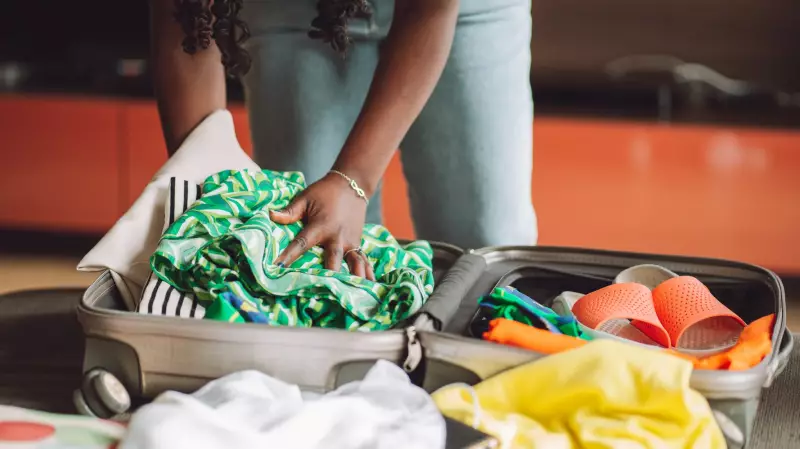
One of the biggest packing mistakes is bringing too much luggage. Tomiko Harvey of Passports & Grub urges travellers to leave the giant suitcase behind, citing struggles with cobblestone hills, narrow alleys, and tiny, elevator-free hotel rooms. Jesse Neugarten, founder of Dollar Flight Club, highlights train travel challenges, where luggage space is limited. His advice? "Stick to a carry-on and pack layers." This approach saves time, money, and stress.
When it comes to clothes, think versatile and light. Gabby Beckford of Packs Light suggests packing only basics like underwear and socks, then buying clothes locally. This ensures you have weather-appropriate attire and creates unique souvenirs. Sarah Dines of Viator notes that travelling light often means no checked bags, simplifying transit. Katy Nastro from Going reminds us we often overpack for hypothetical scenarios; most trips don't require a unique outfit for every day. For summer travel, Tiffany Funk advises against heavy denim due to limited air conditioning and slow drying times in humid apartments without dryers. Opt for cotton or linen instead.
Toiletries, Tech, and Other Space-Wasters
Full-size toiletries are a major space-hog. Reesa Avelino of Goway Travel recommends travel-sized versions, noting many hotels provide decent amenities. Tiffany Funk takes it a step further, suggesting skipping sunscreen and skincare altogether: "Just hit the pharmacy when you arrive... the sunscreen options are far better than what's available in the U.S."
Hair tools often disappoint abroad. Gabrielle Brechner, a Fora adviser, learned the hard way that devices like the Dyson Airwrap often fail even with converters. Experts recommend using hotel dryers, booking a salon blowout, or buying an affordable European tool on arrival.
For electronics, simplify. Jesse Neugarten says you don't need a bag of plugs, just one universal adapter. Sarah Silbert of Points Path adds that most modern devices are dual-voltage and can charge via USB, eliminating the need for bulky converters. Also, reconsider packing snacks. Travel journalist La Carmina states it's unnecessary unless you have special dietary needs, as Europe is filled with cafes, bakeries, and supermarkets offering delicious, inexpensive food on the go.

Finally, rethink your wallet contents. Bryan Lewis of Tenon Tours notes Europe is very card-friendly; bring only small cash for tipping. Liam Dunch adds that even formerly cash-heavy countries like Italy and Greece now widely accept tap-to-pay. Leave U.S. dollars at home and use digital wallets. Doni Belau also suggests leaving your American Express card behind, as it's not as widely accepted as Visa or Mastercard in Europe.
By being strategic and leaving these items behind, Canadian travellers can focus less on their luggage and more on the unforgettable experiences Europe has to offer.