A sudden and large-scale U.S. military operation has triggered a major travel crisis across the Caribbean, leaving numerous travellers stranded and forcing commercial airlines into a frantic scramble to arrange additional flights.
Military Move Creates Travel Gridlock
The disruption began following the announcement of the American military initiative, the precise nature of which was not detailed in initial reports. The operation has significantly impacted airspace and logistical networks across the region, creating a gridlock that has prevented scheduled commercial flights from operating normally. This has resulted in a growing number of vacationers and business travellers finding themselves unable to depart from various Caribbean islands.
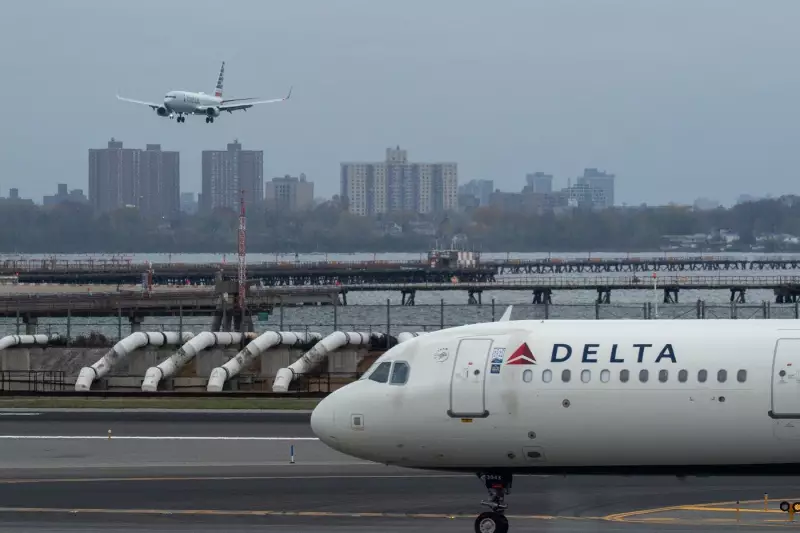
In response to the sudden surge of stranded passengers, major U.S. carriers are now working urgently to mitigate the situation. American Airlines and Delta Air Lines are among the airlines actively coordinating to add extra flights and potentially utilize larger aircraft on routes from the Caribbean back to the United States and other destinations, including Canada. The logistical challenge involves securing landing slots, arranging crew, and repositioning aircraft at short notice.

Airlines in Emergency Rebooking Mode
The airline industry's response has shifted into emergency rebooking and recovery mode. Customer service lines and airport counters are experiencing extremely high volumes as affected travellers seek information and new travel arrangements. The situation is fluid, with flight schedules subject to last-minute changes as the military operation's requirements evolve.
Passengers are advised to check their flight status directly with their airline continuously and allow for extensive extra time at airports. Many are facing indefinite delays or have seen their flights outright cancelled, with no immediate clarity on when normal operations might resume. The incident highlights the vulnerability of civilian air travel to unforeseen military and geopolitical events.
Broader Implications for Regional Travel
This large-scale disruption underscores the complex interplay between national security actions and global transportation systems. For Canadians travelling in or through the Caribbean, the event serves as a stark reminder of the potential for international incidents to cause severe travel interruptions far from home. The financial and reputational impact on airlines is also significant, as they bear the cost of mounting extra sections and accommodating displaced passengers.
As of January 4, 2026, the focus remains on clearing the backlog of stranded passengers. Travellers are encouraged to maintain contact with their airlines for the latest updates and to explore all available options for rebooking. The duration of the travel chaos is directly tied to the scope and timeline of the ongoing U.S. military activity in the region.