Viral Drone Footage Ignites Heated Debate on Favela Tourism Ethics
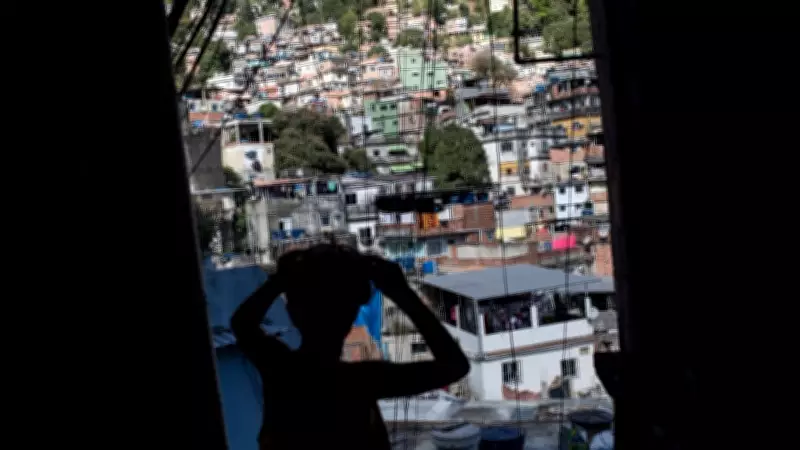
A recently circulated drone video capturing the sprawling, vibrant communities of Rio de Janeiro's favelas has rapidly gone viral, fueling a renewed and intense global debate about the ethics and impacts of tourism in these historically marginalized neighborhoods. The aerial footage, showcasing the dense urban tapestry from above, has drawn both fascination and sharp criticism, forcing a re-examination of how visitors interact with some of Brazil's most iconic yet complex communities.
The Core of the Controversy
The debate centers on whether such tourism represents a form of respectful cultural exchange and economic opportunity for residents or veers into voyeurism and exploitation. Proponents argue that well-managed tours, often led by local guides, provide vital income and help demystify favelas, challenging stereotypes. They point to community-based initiatives that directly benefit residents.
However, critics contend that the drone perspective epitomizes a detached, poverty-focused gaze. They argue that turning homes into spectacles commodifies hardship and infringes on privacy, often without ensuring equitable financial returns for the community. The viral nature of the video amplifies these concerns, spreading imagery globally without context or consent.

Local Perspectives and Daily Realities
Within favelas like Rocinha, daily life continues amidst this debate. Residents navigate the complexities of living in areas that are both homes and tourist destinations. For some, tourism provides jobs as guides, drivers, or in small guesthouses. For others, it brings unwanted intrusion and reinforces social divides.
The discussion is not new but has gained fresh urgency. Past incidents where tourists have been criticized for insensitive behavior or photography have long highlighted the tension. The drone video, by offering a sweeping, impersonal view, has become a new flashpoint, raising questions about digital ethics and representation in the age of social media.
Key questions now being asked include:- Who benefits financially from favela tourism?
- How can tours be designed to be truly respectful and community-led?
- What are the ethical boundaries for photography and videography in these spaces?
Looking Forward: A Call for Responsible Engagement
As the conversation evolves, there is a growing call for more responsible and equitable models of engagement. This includes advocating for tourism that is explicitly controlled and profited from by local cooperatives, ensuring visitors receive accurate historical and social context, and establishing clear guidelines for respectful conduct.
The viral drone video serves as a potent reminder of the power of imagery. It has thrust the favela tourism debate back into the international spotlight, challenging travelers, tour operators, and observers to consider the profound impact of their curiosity and the importance of approaching these communities with dignity, respect, and a commitment to mutual benefit rather than mere observation.