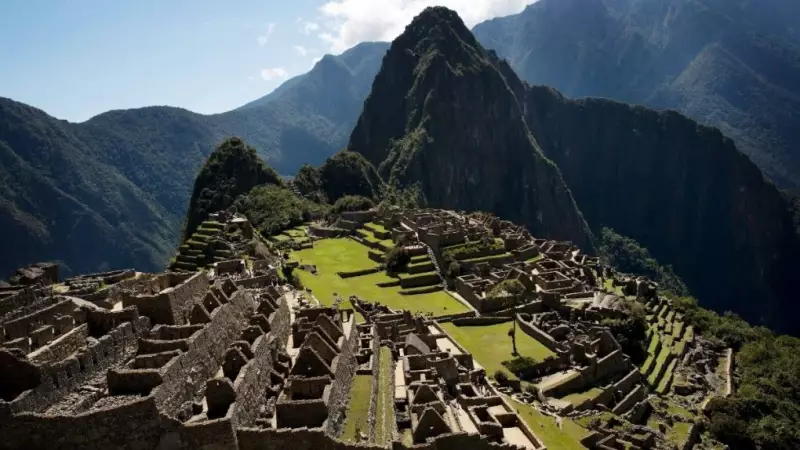
A tragic train accident on the railway line leading to the iconic Inca citadel of Machu Picchu in Peru has left one person dead and at least thirty others injured, with Canadian nationals confirmed to be among the casualties. The incident occurred on December 31, 2025, casting a shadow over New Year's Eve celebrations for the victims and their families.
Details of the Machu Picchu Railway Disaster
The derailment happened on a vital transport route used by thousands of tourists annually to reach the ancient ruins, a UNESCO World Heritage site located in the Cusco region. While the precise cause of the crash is under investigation by Peruvian authorities, early reports indicate the train left the tracks. Emergency services responded swiftly to the remote location to evacuate the wounded.
Local officials and the Associated Press confirmed the casualty figures. The sole fatality has not been publicly identified, pending notification of next of kin. Of the more than thirty people who sustained injuries, their conditions are reported to range from minor to serious. The Canadian government has been notified and is providing consular assistance to the affected citizens.

Response and Aftermath for Tourists
The crash has caused significant disruption to travel plans for many visitors during the busy holiday period. The railway service is a primary means of access to Machu Picchu, and its suspension will likely affect tours and itineraries in the coming days. Peruvian tourism authorities and the rail operator are expected to conduct a thorough review of safety protocols following this devastating event.
This incident highlights the potential dangers of travel in remote and mountainous regions, even on established tourist routes. It serves as a sobering reminder for all travelers to ensure they have adequate emergency contact information and travel insurance, particularly when engaging in international tourism to popular but geographically challenging destinations like the Andes.
Broader Context and Safety
While such serious accidents are rare on this line, the event will inevitably raise questions about infrastructure maintenance and safety standards on Peru's tourist railways. The well-being of the injured, including the Canadians involved, remains the immediate priority as recovery efforts continue.