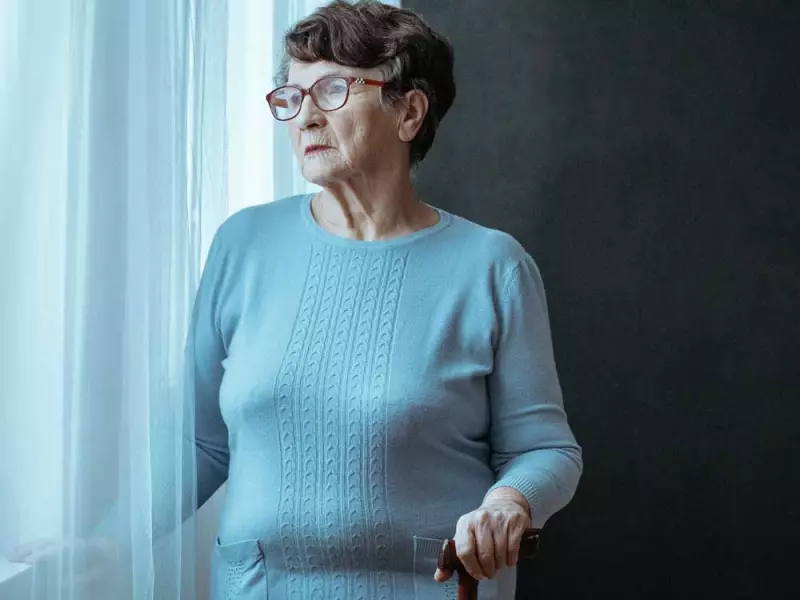
A mother from Ohio is navigating profound grief and a painful family estrangement, seeking guidance from the renowned advice columnist Dear Abby. The woman, who signs her letter "Blocked in Ohio," lost her 33-year-old son to cancer, a tragedy now compounded by being cut off from her grandchildren.
A Heartbreaking Estrangement
The grandmother describes a growing distance from her daughter-in-law, referred to as "Belinda," even before her son's passing. Despite attempts to help, such as working in her son's yard, visits were consistently timed so that Belinda and the couple's young son, conceived via artificial insemination, were absent. Following her son's death, all communication ceased. Belinda does not answer calls or texts, and offers no explanation to her own family members who have inquired on the grandmother's behalf.
The situation grew more complex when the grandmother discovered by accident that Belinda had used her late son's sperm to have a second child, a baby girl. The family was never formally notified of this birth. The writer notes that Belinda is bipolar, though she doubts this is the primary cause of the estrangement, theorizing instead that her daughter-in-law was "uncomfortable sharing our son" and that this has now transferred to the grandchildren.

Weighing Legal and Emotional Options
Faced with this painful barrier, the grandmother has stopped trying to initiate a relationship with her young grandchildren. She feels helpless and has "pretty much blocked out" their existence as a coping mechanism, despite them being "the only part of my son that remains." She expresses concern that pursuing grandparents' rights would be difficult due to the children's ages and their mother's hostile attitude.
In her response, Abby acknowledges the profound sadness of the letter and offers two key pieces of advice. First, she suggests the grandmother consult with an attorney to determine if her state recognizes grandparents' rights, particularly given the children were conceived with her son's sperm. Second, and perhaps more critically for her emotional well-being, Abby recommends seeking support from a licensed family therapist to help process the grief and accept the aspects of the situation she cannot change.
A Second Plea: Setting Boundaries with Family
The same column features a second letter from "Wary in West Virginia," concerning aging parents being burdened by a selfish relative. The writer explains that her parents, both 78 and with their own health issues, cared for her grandmother with Alzheimer's for nine years without help from the woman's two daughters. Now, one of those aunts is attempting to demand that the elderly couple provide transportation to distant medical appointments and even tried to move in with them, despite having two able-bodied adult children living with her.
Abby's advice here is straightforward: If it is the truth that the parents are unable to meet these demands, they should simply tell the aunt. She sees no reason to protect the aunt from the reality of the situation, especially given the history of non-support.
The Dear Abby column is written by Jeanne Phillips, who inherited the syndicated advice platform from her mother, Pauline Phillips. It continues to be a source of guidance for countless readers navigating complex personal and family dilemmas.