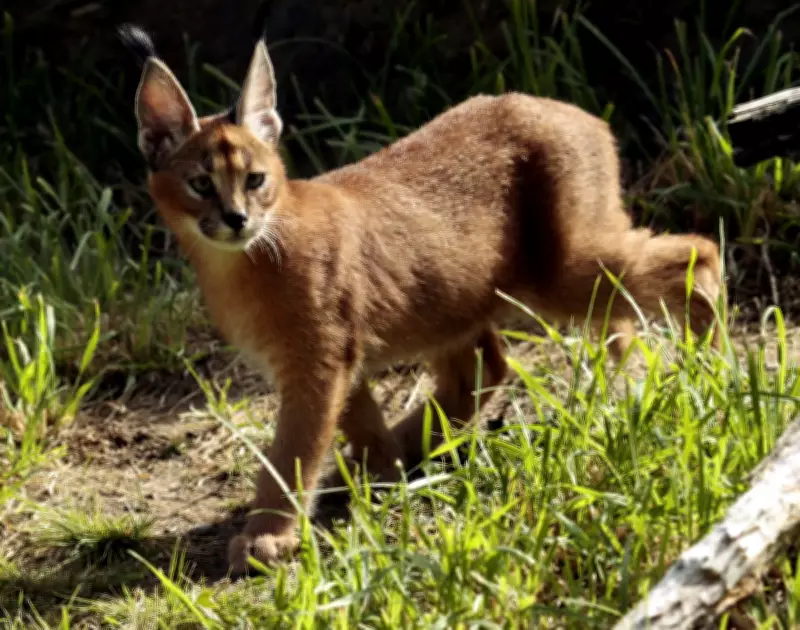
The British Columbia government has officially banned the ownership of exotic cats, including species like caracals, servals, and other non-domestic felines. The decision, announced on April 30, 2026, prioritizes both public safety and animal welfare.
Reasons for the Ban
Provincial officials cited numerous incidents where exotic cats posed dangers to their owners and communities. These animals, often kept as pets, retain wild instincts that can lead to aggressive behavior. Additionally, many exotic cats suffer in captivity due to inadequate housing, diet, and veterinary care.
Immediate Effect
The ban takes effect immediately, prohibiting the acquisition of new exotic cats. Current owners must register their animals and comply with strict new regulations, including mandatory microchipping, secure enclosures, and regular inspections. Failure to comply may result in fines or confiscation of the animal.

Support from Animal Welfare Groups
Animal welfare organizations have applauded the move. The British Columbia Society for the Prevention of Cruelty to Animals (BC SPCA) stated that the ban addresses long-standing concerns about the exotic pet trade. "These animals belong in the wild or in accredited sanctuaries, not in private homes," said a spokesperson.
Comparison to Other Provinces
British Columbia joins several other Canadian provinces and territories that have restricted or banned exotic pet ownership. Ontario, for example, prohibits keeping dangerous wild animals as pets under the provincial Animal Welfare Act. The new B.C. law aligns with a growing trend across the country to regulate exotic pets more strictly.
Public Reaction
Public response has been mixed. Some residents support the ban, citing safety concerns, while others argue it infringes on personal choice. A petition opposing the measure has gathered a few thousand signatures, but proponents emphasize that the risks outweigh any benefits of private ownership.
Enforcement and Penalties
Enforcement will be carried out by provincial conservation officers and local animal control agencies. Penalties for violating the ban include fines of up to $50,000 and possible jail time. The government has also set up a hotline for reporting illegal ownership.
Future Considerations
Officials indicate that the ban may be expanded to include other exotic animals in the future, such as primates and large reptiles. A review of the legislation is scheduled for 2027 to assess its effectiveness and address any unintended consequences.
For now, British Columbia takes a firm stand against the private ownership of exotic cats, aiming to protect both people and animals from the inherent dangers of keeping wildlife as pets.