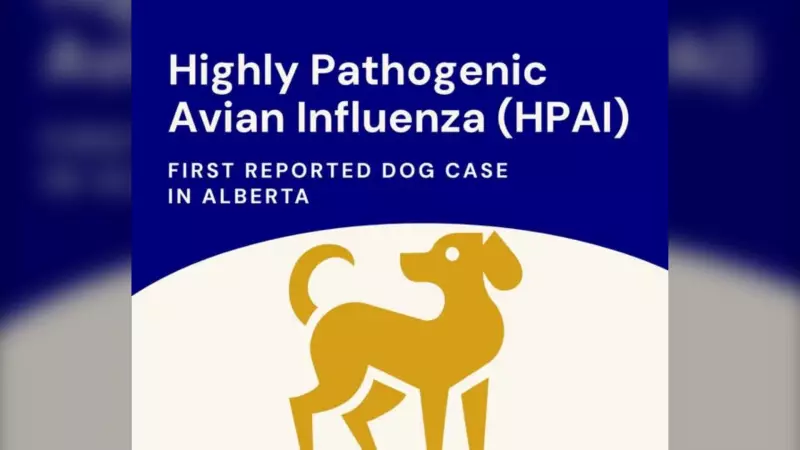
The Alberta Society for the Prevention of Cruelty to Animals (SPCA) confirmed a tragic and rare case on Saturday, December 21, 2025: a dog in the province has died from Avian Influenza, commonly known as bird flu.
A Rare and Concerning Case
The provincial animal welfare organization announced the death on its social media channels. This incident marks a concerning instance of cross-species transmission of the virus, which primarily circulates among wild birds and poultry. While sporadic infections in mammals have been documented globally, cases in domestic pets like dogs remain extremely uncommon.
The specific strain of the virus and the exact location within Alberta were not immediately disclosed by the SPCA. Authorities are likely conducting further tests to understand the origin of the infection and to determine if other animals are at risk.

Understanding Avian Influenza Risks to Pets
Avian Influenza viruses are not typically adapted to infect dogs. Transmission to mammals usually occurs through direct contact with infected birds or their contaminated environments, such as saliva, mucus, or feces. This could happen if a dog interacts with a sick or dead wild bird.
Veterinary and public health officials emphasize that the risk to the general pet population is currently considered low. However, this case serves as a critical reminder for pet owners to be vigilant, especially in areas with known outbreaks in wildlife or poultry.
Recommendations for Pet Owners
In light of this event, the Alberta SPCA and other animal health experts are likely to reinforce standard safety guidelines:
- Prevent pets from interacting with wild birds, especially waterfowl, gulls, and raptors.
- Avoid areas where large congregations of birds are found, and do not allow dogs to sniff or ingest bird droppings.
- If you find a sick or dead bird, do not touch it or let your pet near it. Report it to local wildlife authorities or the Canadian Wildlife Health Cooperative.
- Monitor your pet's health closely. Symptoms of avian influenza in dogs can be non-specific but may include lethargy, loss of appetite, difficulty breathing, or neurological signs.
- If your pet shows any signs of illness and you suspect exposure to sick birds, contact your veterinarian immediately.
This single case in Alberta is under investigation by relevant animal and public health agencies. There is no evidence to suggest that the virus can be transmitted from infected dogs to humans through casual contact, but general hygiene practices like washing hands after handling pets are always recommended.
The confirmation of this death highlights the unpredictable nature of zoonotic diseases and the importance of surveillance and proactive measures to protect both animal and human health in Canada.