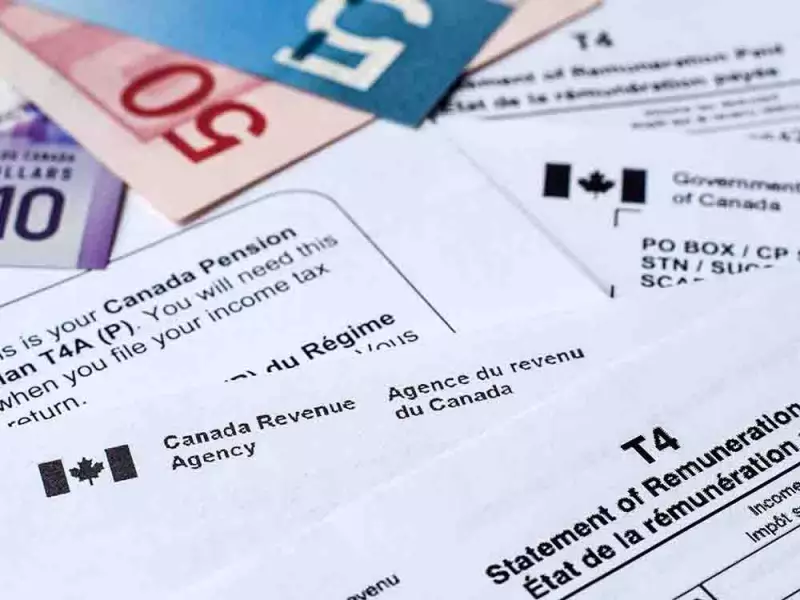
As the new year begins, Canadian taxpayers have a unique opportunity to get ahead on their financial planning. Taking strategic steps in January can lead to significant tax savings when filing returns in 2026, according to tax expert Jamie Golombek. Proactive moves made now leverage time to your advantage, setting a solid foundation for your financial future.
Strategic Portfolio and Charitable Planning
Rebalancing a non-registered investment portfolio is a critical first task. If your investments performed well in 2025, your asset allocation may now be skewed. For instance, you might be over-weighted in equities compared to fixed income, or a single top-performing stock could dominate your holdings. Golombek suggests taking profits and realizing capital gains early in January. A key benefit is timing: a trade executed in the first week of January triggers capital gains tax that is not due until April 30, 2027, the payment deadline for the 2026 tax year.
January is also the ideal time to establish a charitable donation budget for the year. One efficient method is using a donor-advised fund (DAF), which acts like a personal foundation without the high costs. You receive the donation receipt immediately upon contributing. A savvy strategy involves donating appreciated securities from a non-registered portfolio in-kind to the DAF. This provides a receipt for the security's full market value and avoids capital gains tax on the increase. You can then repurchase the stock with cash, resetting its cost base to the current higher value.

Maximizing Registered Savings Accounts
A core component of Canadian tax planning involves maximizing contributions to registered accounts. For the 2026 RRSP contribution, the limit is 18% of your 2025 earned income (minus any pension adjustment), up to a maximum of $33,810. This maximum is reached with a 2025 income of $187,833 or more.
On January 1, 2026, the annual contribution room for Tax-Free Savings Accounts (TFSA) increases by $7,000. For eligible Canadians who have never contributed, the cumulative total room available since 2009 now stands at $109,000.
Families saving for education should consider RESP contributions. Contributing at least $2,500 per child triggers the maximum Canada Education Savings Grant of 20%, or $500. If you have unused grant room from previous years, you can contribute $5,000 to receive a $1,000 grant immediately.
First-time homebuyers have a powerful tool in the First Home Savings Account (FHSA). For 2026, you can contribute up to $8,000, with the potential to contribute up to $16,000 if you have unused contribution room carried forward from previous years.
Setting the Stage for Long-Term Financial Health
These January actions are more than just annual chores; they represent a proactive approach to wealth management. By rebalancing portfolios, planning charitable giving, and fully funding registered accounts like the RRSP, TFSA, RESP, and FHSA, Canadians can optimize their tax positions. The steps outlined by Golombek leverage the long lead time before taxes are due, allowing investments to grow and strategies to mature. Starting the year with this financial checklist not only prepares you for the 2026 tax season but also builds disciplined habits that pay dividends for years to come.