As schools across Canada close their doors for the winter holidays, a familiar concern for parents and educators resurfaces: the dreaded 'learning slide.' This period of academic regression, where students can lose hard-earned skills and knowledge over an extended break, is a well-documented phenomenon. However, education strategist Dwayne Matthews offers a blueprint for families to turn the holiday season into an opportunity for engagement rather than a setback.
Understanding the 'Learning Slide' Phenomenon
The concept of the learning slide, sometimes called summer or holiday learning loss, refers to the erosion of academic abilities when formal education is paused. Research indicates that without regular practice, students can lose significant ground, particularly in areas like mathematics and literacy. The winter break, while shorter than summer vacation, presents a similar risk, especially following the first few months of the school year where foundational concepts are solidified.
Dwayne Matthews, a prominent voice in educational strategy, emphasizes that the goal isn't to replicate the school day at home. Instead, he advocates for integrating learning seamlessly into holiday activities. "The holidays are a time for family, relaxation, and joy," Matthews notes. "The key is to find natural, low-pressure ways to keep young minds active and curious without it feeling like a chore."

Practical Strategies for Parents and Guardians
Matthews suggests several practical approaches that parents can adopt to combat the learning slide. The overarching theme is making learning invisible by embedding it in play and daily life.
First, leverage everyday activities. Baking holiday treats becomes a lesson in fractions and chemistry. Planning a family board game night sharpens math skills, strategic thinking, and reading comprehension. Even writing holiday cards or a thank-you list can serve as valuable writing practice.
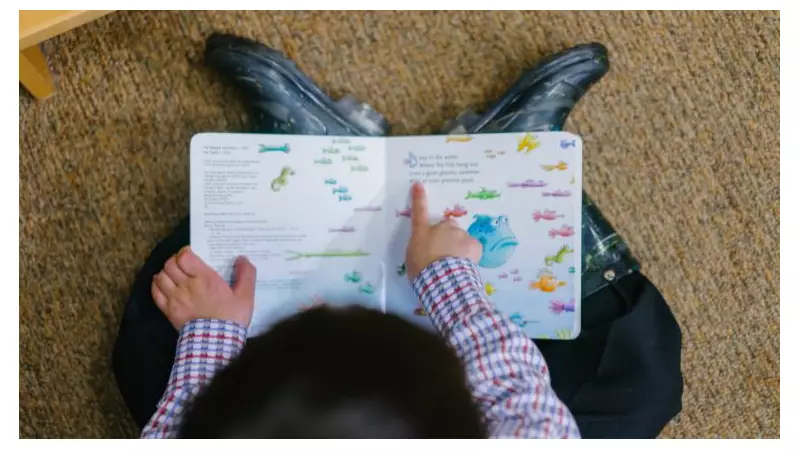
Second, encourage reading for pleasure. Visiting the local library together to pick out books that align with a child's interests—not assigned reading—fosters a love for literature. Audiobooks during long car rides to visit family are another excellent way to engage with stories.
Third, embrace experiential and project-based learning. This could involve researching family heritage, building a model, starting a simple weather journal, or using apps for creative storytelling or coding puzzles. "The focus should be on the process of inquiry and discovery," Matthews advises, "not on producing a perfect end result."
Fostering a Positive and Sustainable Mindset
The most critical element, according to Matthews, is mindset. Pressuring children with formal worksheets or punitive learning sessions can create resistance and negate any benefit. The holiday break should primarily be a time for mental recharge.
Parents are encouraged to model curiosity themselves. Ask open-ended questions about the world, explore a museum virtually or in person, or watch a documentary together. This demonstrates that learning is a lifelong, enjoyable pursuit.
By adopting these strategies, families can help students return to the classroom in January feeling refreshed, confident, and ready to build upon their existing knowledge, effectively turning the holiday break from a period of potential loss into one of subtle enrichment.