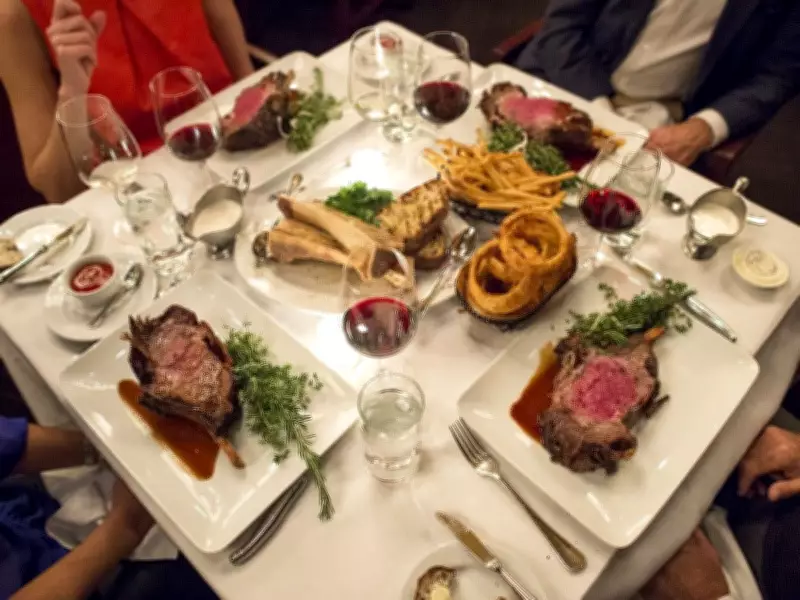
Where do you stand on the spectrum of family dining traditions? This Sunday, as many households prepare for their weekly ritual, the question of what's on the menu takes second place to who's gathered around the table. Sunday dinner represents that non-negotiable meal where attendance is mandatory, a tradition that persists despite our busy modern lives.
The Unbreakable Tradition of Shared Meals
Whether your family observes Sunday dinner, Friday night Shabbat, or another regular gathering, the essential element remains constant: people coming together for a shared meal. This Family Day weekend, whether the menu features pizza or prime rib, families across the region will experience increased participation in this time-honored tradition.
Family Day: A Mid-Winter Celebration
For thirteen years now, Family Day has occupied a special place on regional calendars. Originally scheduled for the second Monday in February, the holiday shifted to the third Monday in 2019 to align with observances in other provinces. The creation of this mid-winter holiday aimed to provide a break between New Year's and Good Friday, an idea that had been proposed as early as 1994 through a private member's bill that failed to pass.

The concept remained dormant until 2011, when Christy Clark included implementing a mid-winter day off in her campaign platform. Interestingly, Albertans pioneered this celebration, having observed Family Day since 1990, giving them a three-decade head start on the rest of Canada.
Strategic Timing for Tourism
The shift from the second to third Monday in February wasn't arbitrary. This strategic move aimed to boost ski resorts and winter tourism operations by avoiding overlap with the U.S. President's Day holiday. For the tourism industry, the ideal scenario isn't just one long weekend but two consecutive ones, maximizing visitor opportunities and economic benefits.
The Measurable Benefits of Family Meals
While Family Day offers numerous activity options across the province, perhaps the simplest to implement remains the family dinner. Research reveals that the advantages of regular family meals extend far beyond teaching children basic table manners.
The Sunday dinner tradition demonstrates remarkable resilience against social erosion, with participation rates consistently hovering around 60 percent. Studies from Harvard University to food delivery service polls all converge on the same conclusion: gathering for shared meals produces overwhelmingly positive outcomes.
Protective Effects and Health Benefits
Canada's Vanier Institute of the Family documents what researchers call a "protective effect" associated with family dinners. Families who eat most meals at home tend to enjoy better health outcomes, consuming more vegetables and fruits as part of their regular diet.
The benefits extend beyond nutrition. Research indicates that having as few as three family meals per week correlates with:
- Lower rates of depression
- Reduced substance abuse
- Decreased incidence of eating disorders
- Improved academic performance among children and adolescents
These findings suggest that the simple act of sharing meals creates a foundation for emotional well-being, healthy habits, and educational success. As families gather this Family Day weekend, they're not just sharing food but reinforcing bonds that contribute to long-term health and happiness.