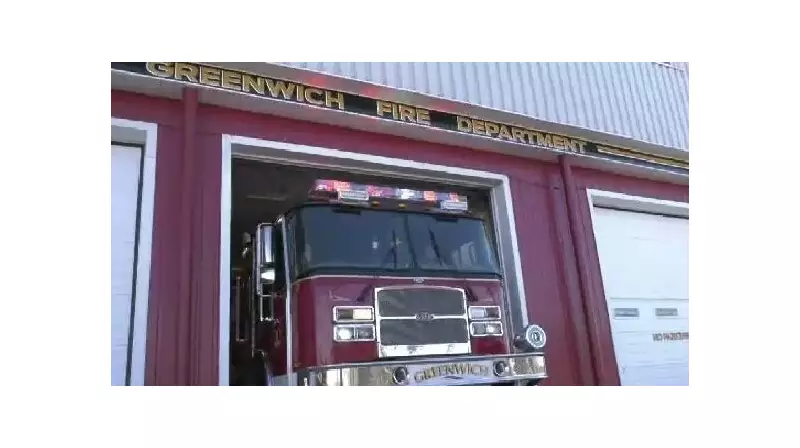
A portable generator was the source of a shed fire in Nova Scotia, prompting a swift response from local firefighters. The Greenwich Fire Department successfully extinguished the blaze, preventing further damage and highlighting a common seasonal hazard.
Firefighters Contain the Hazard
The incident occurred on December 04, 2025. Crews from the Greenwich Fire Department were dispatched to the scene where they found a shed fully involved. Using their training and equipment, firefighters worked to contain and douse the flames. Their prompt action ensured the fire did not spread to nearby structures or vegetation.
The Dangers of Improper Generator Use
Investigators confirmed the fire originated from a portable generator operating inside or too close to the shed. This is a critical safety misstep, especially as winter weather leads to increased reliance on backup power sources. Generators produce deadly carbon monoxide and can overheat, posing severe fire risks if not used with proper ventilation and clearance.

Key safety guidelines for portable generators include:
- Always operate generators outdoors, far from windows, doors, and vents.
- Never refuel a generator while it is running or hot.
- Ensure the unit is on a dry, level surface and protected from moisture.
- Use heavy-duty, outdoor-rated extension cords and ensure proper installation.
A Timely Winter Reminder
This fire serves as an important reminder for all residents, particularly in Atlantic Canada where winter storms can cause power outages. Ensuring backup power sources are used safely is paramount to preventing property damage and personal injury. Fire departments across the province routinely emphasize these precautions during the colder months.
No injuries were reported in this incident, a testament to the effective emergency response. However, property damage to the shed was incurred. Homeowners are urged to review safety protocols for all heating and power equipment as the season progresses.