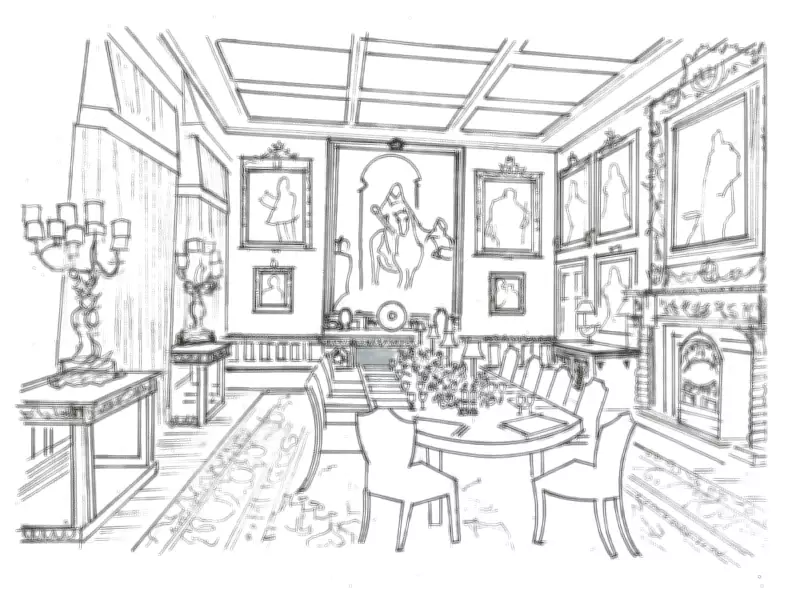
Architect John Ota Makes a Compelling Case for the Return of the Dining Room
In an era dominated by open floor plans and informal lifestyles, architect, author, and cook John Ota is championing a surprising revival. With his new book, The Dining Room: Exploring the design of twelve iconic rooms in search of the perfect dining experience, released in late March 2026, Ota presents a powerful argument that dining rooms are far from obsolete. He contends they remain essential spaces for light, conversation, and meaningful gathering.
Reclaiming a Space Lost to Modern Trends
For decades, dining rooms have been disappearing from home designs, often viewed as too formal, fussy, or a luxury of space. John Ota directly challenges this perception. "Dining rooms have brought people together for centuries, allowing knowledge, traditions, and family values to be handed down in a significant way," Ota explains. While acknowledging you don't strictly need a dedicated room for this, he passionately asserts, "if you can swing it, it's pretty nice."
His inspiration for the book stemmed from personal experience and professional curiosity. After publishing The Kitchen: A journey through history in search of perfect design in 2020, Ota kept hearing that "the dining room is dead." This dismissal, coupled with a desire to celebrate his wife's recovery from a grave illness, motivated his deep dive. "When she had a significant birthday coming up, I knew it was time for a big celebration, a big dinner and a new dining room," Ota shares. "Before I started to redesign, I wanted to know everything about the dining room."

A Global Journey Through Historic Dining Spaces
Ota's research took him across the globe to study some of history's most famous dining rooms. He visited spaces belonging to figures like Jackie Kennedy, Claude Monet, Frida Kahlo, and Martin Luther King Jr. His observations reveal the dining room's profound role as a crucible for ideas and connection.
In Monet's home in Giverny, France, Ota was struck by the dining room's glowing yellow walls. He believes this was a deliberate choice by the Impressionist master. "For the impressionists, yellow was more than just a pretty colour. It was a connection to nature, light and the sun," Ota notes, highlighting how design intentionally interacts with natural elements.
Perhaps the most powerful example was found at the childhood home of Martin Luther King Jr. in Atlanta. Ota recounts that it was at the family dining table where King's parents first explained racial prejudice to him after a painful childhood incident. "The dining room is where King first developed his ideas and thoughts," Ota emphasizes, underscoring the room's potential as a space for formative dialogue and social awakening.
The Enduring Importance of Light and Design
One of Ota's key findings centers on the historical importance of light in dining room design. In the era before electricity, rooms were meticulously crafted to respond to candlelight. Design elements like:
- Gold edging on fine china
- Gold flocked wallpaper
- Gold leaf ceilings
were not merely decorative but functional, designed to catch and amplify the flicker of candle flames, creating a warm, immersive atmosphere. Ota argues that this thoughtful relationship between space, light, and human interaction is a principle worth preserving and reviving in contemporary home design.
Through his book, John Ota doesn't just document history; he issues a call to action. He makes a convincing case that the dining room, as a dedicated space for gathering, conversation, and the sharing of light—both literal and metaphorical—holds timeless value, offering a necessary counterbalance to our increasingly informal and fragmented modern lives.