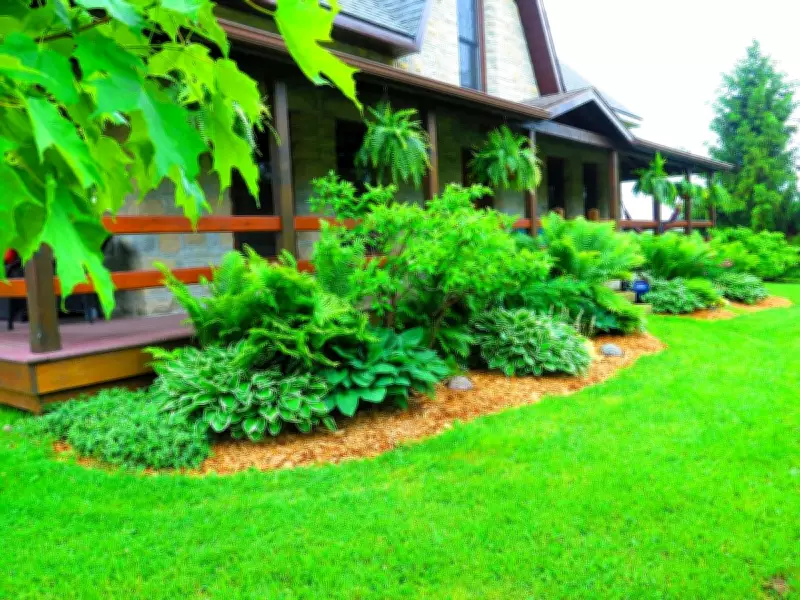
After more than 35 years of flower gardening, I have found that mulch is one of the most valuable materials any gardener can use. It does not excel at just one task but performs several important functions simultaneously. Mulch enhances garden aesthetics, significantly reduces weeding, helps plants endure dry spells, and enriches the soil year after year by steadily increasing organic matter. Over decades of gardening, I have come to regard mulch not as an optional finishing touch but as an essential component of a well-functioning garden.
Why Mulch Is Amazing
One of the greatest benefits of mulch is its continuous decomposition, which adds life-giving organic matter to the soil. This process is slow, but over time the effect is dramatic. At my home, I have kept flower gardens mulched since the beginning. The result is rich, dark soil with an organic matter content of about eight percent. In contrast, areas outside the garden that have never been mulched have only about three percent organic matter. This substantial difference demonstrates what a steady supply of decomposing mulch can achieve. The soil in mulched areas becomes looser, richer, and better able to support healthy plant growth. Essentially, when you mulch, you are feeding soil microbes, which brings immense benefits.
Weed Reduction
Mulch also does a remarkable job of reducing weed pressure. For me, this is the most significant benefit. Bare soil invites weed seeds to sprout, but a layer of mulch blocks light and makes it much harder for weeds to establish. This does not mean weeds never appear; nature is persistent. Still, the difference is enormous. Instead of constantly battling weeds, you only deal with the occasional one that manages to push through. When that happens, it is easy to pull because mulch keeps the soil underneath soft and loose. There is no way I could maintain all my gardens as I do if I had to keep up with bare-soil weeding.

Moisture Retention
Moisture retention is another huge advantage. Mulch shades the soil surface and reduces evaporation, keeping the ground moist. While other gardens in our area become shriveled and dry in summer, ours remain lush without additional watering. Plants growing in mulched soil thrive because their roots stay in a cooler and more evenly moist environment.
How to Mulch Your Garden
First, you need a lot of mulch—probably more than you think. Aim to maintain three to four inches of fully settled mulch on the soil surface. At an absolute minimum, you want at least two inches, but more is usually better. In practice, this means applying five or six inches of depth when the mulch first goes down, because fresh mulch is fluffy and will compress. A proper settled depth provides the soil-building, moisture-holding, and weed-suppressing benefits that make mulch so worthwhile.
Bulk Mulch Option
At my home, I use cedar mulch produced locally from ground-up sawmill waste left over from milling cedar lumber. It works well, looks good, and makes use of a material that might otherwise go to waste. I have bought bagged mulch before, and it certainly has its place. However, because I garden extensively, it makes more sense to have mulch brought in by the truckload. That is the most economical approach for larger garden areas.
If it were not for my mulching regime, my gardens would either look terrible or I would be run off my feet weeding them—perhaps both. Mulch is one of those rare garden inputs that pays you back in almost every way possible. It builds soil, holds moisture, reduces weeds, and improves appearance all at once. For any serious gardener, that is hard to beat.
Steve Maxwell needs to order more mulch for mulching in the fall. Visit him online at baileylineroad.com for made-in-Canada insights on home improvements, renovation, gardening and outdoor living.