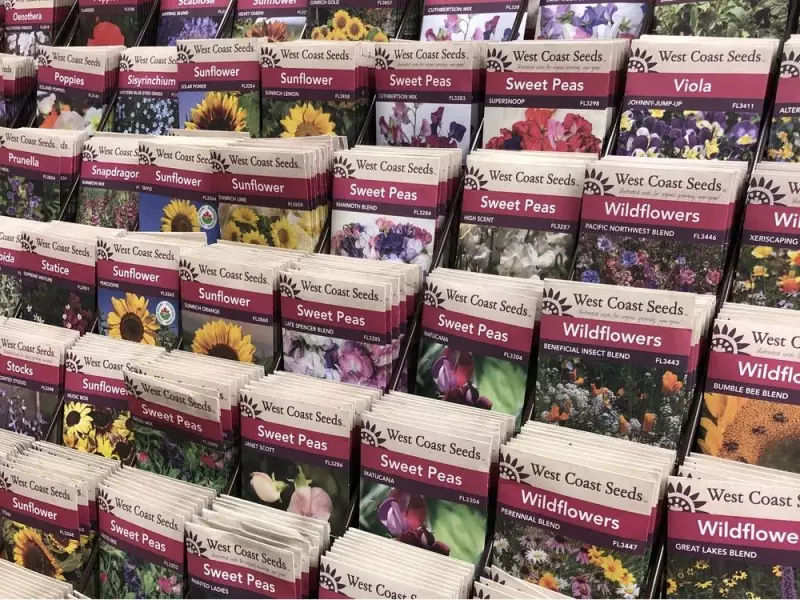
As the holiday lights dim and the depths of winter settle in, Canadian gardeners are finding their annual source of inspiration and hope: the arrival of seed catalogues and racks in local garden stores. According to renowned gardening expert Brian Minter, this ritual of paging through vegetable sections, dreaming of new tomato varieties, and imagining vibrant annuals in containers is one of the most uplifting experiences of the season.
The Joy and Strategy of Seed Starting
Minter notes that garden centres across the country are already stocking their seed displays, offering an ideal opportunity for a long, thoughtful browse. The key advantage is that gardeners can purchase their seeds now and store them safely until the correct planting time arrives. This is also the perfect moment to secure popular or heritage varieties that often sell out quickly, ensuring you have your favourites for the upcoming garden and container season.
The global seed business is expanding, Minter observes, largely because seeds represent the most economical method for growing your own food or adding splashes of colour to your outdoor space. It's remarkable what a tiny seed can produce in a relatively short period. Success, however, hinges on strategic planning and the valuable experience gained from each growing cycle.

Embracing "The Year of Lemonading" in Your Garden
A significant trend for 2026, highlighted by U.S. garden media, is the designation of the coming year as "The Year of Lemonading." This concept is characterized as transforming gardening setbacks into opportunities through creativity, mindfulness, and joy. It encourages gardeners to view so-called "fails" as experiments, to laugh at mishaps, and to maintain a positive, learning-focused mindset.
Minter wholeheartedly endorses this approach. With over five decades of experience starting plants from seed, he admits that even when every step is followed perfectly, things can still go awry. His advice? "Get over it, learn from it and do it again, but be more mindful of how you achieve success, in a positive way, and have a chuckle over it." He also recommends reusing planting trays by sterilizing them between crops with a ten percent bleach solution.
The Critical Lesson: Mastering Timing
Above all else, Minter stresses that the most crucial lesson seeds teach is a sense of timing. Weather is notoriously fickle, especially for gardeners aiming for an early start. He advises that it is always safer to start seeds a little later than too early. Most seed catalogues provide approximate seeding dates, which should be used as a primary guide.
Keeping a detailed garden diary or journal is another critical step for success. Recording when and how you start each type of seed creates an invaluable personal reference to consult and update year after year.
While spring weather can be unpredictable, the gradual increase in daylight and warming soil are reliable allies. Minter identifies a cold frame or similar protective structure as a "silver bullet" for success. These spaces, which can be small greenhouse structures covered with poly film even on a deck, allow sprouted seedlings to acclimatize and toughen up without becoming leggy. A small electric heater may be needed for cool nights, but young plants can thrive there for weeks until outdoor conditions are perfect for transplanting.
Published on January 10, 2026, and last updated on January 1, 2026, Minter's insights offer a timely and encouraging roadmap for Canadian gardeners eager to begin the new growing season with knowledge, patience, and a renewed sense of joyful experimentation.