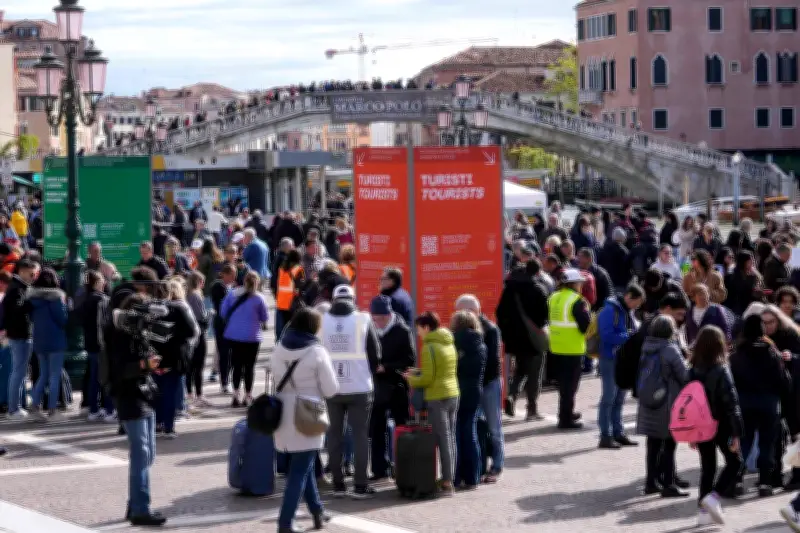
Venice's mayor has unveiled a proposal to introduce dynamic pricing for day-trippers, with a ceiling of 50 euros, aiming to curb overtourism and safeguard the city's cultural treasures. The plan, announced on July 3, 2026, would replace the current flat-rate entry fee system, adjusting charges based on demand and seasonality.
How Dynamic Pricing Would Work
Under the proposed model, fees for day visitors could fluctuate depending on factors like time of year, day of week, and crowd levels. The 50-euro cap ensures affordability while discouraging peak-time visits. According to city officials, the goal is to spread tourist flows more evenly and reduce pressure on fragile infrastructure.
"We need to protect Venice for future generations," said Mayor Luigi Brugnaro in a statement. "This dynamic system allows us to manage tourism intelligently, without banning visitors."

Background and Pilot Program
Venice first introduced an entry fee for day-trippers in April 2024, charging 5 euros during peak periods. The pilot program, which required visitors to book and pay online, saw mixed results. Officials reported a 10% drop in daily arrivals but faced criticism for complexity and enforcement challenges.
The new dynamic pricing proposal builds on that experience, incorporating real-time data and flexible pricing. "Dynamic pricing has worked in other sectors like transportation and hospitality," noted tourism consultant Elena Rossi. "Venice can adapt these principles to manage visitor numbers effectively."
Impact on Tourism and Residents
Venice welcomed over 30 million tourists in 2025, with day-trippers accounting for roughly 70% of arrivals. The city's population has dwindled to fewer than 50,000 residents, exacerbating concerns about sustainability. The mayor's office estimates that dynamic pricing could generate up to 100 million euros annually, funds earmarked for maintenance and resident services.
Local businesses express cautious optimism. "We support measures that reduce overcrowding," said Marco Bianchi, owner of a cafe near St. Mark's Square. "But we hope the system is simple and doesn't scare away visitors."
Next Steps
The proposal now heads to the city council for debate, with a vote expected in September 2026. If approved, implementation could begin in early 2027. The plan also includes exemptions for overnight guests, commuters, and residents of the Veneto region.
Venice's approach is being watched by other historic cities grappling with overtourism, including Barcelona and Dubrovnik. "Venice is a laboratory for sustainable tourism," said Mayor Brugnaro. "Our success could inspire global solutions."