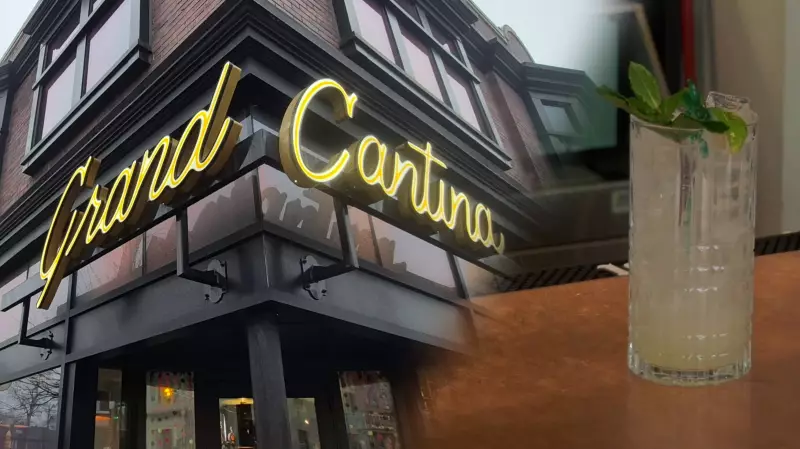
The growing trend of Dry January is making a noticeable impact at restaurants and bars across Canada, with one Windsor, Ontario, establishment reporting a significant surge in demand for its creative non-alcoholic offerings. The spotlight is on the 'No-jito' at Grand Cantina, a refreshing, alcohol-free take on the classic mojito that has become a customer favourite.
A Refreshing Alternative Takes Center Stage
As observed on January 6, 2026, the restaurant has successfully tapped into the annual wellness movement where many consumers abstain from alcohol for the first month of the year. The popularity of the No-jito is not an isolated incident but rather a clear indicator of shifting consumer preferences. Patrons are increasingly seeking sophisticated and enjoyable beverage options that don't contain alcohol, moving beyond simple sodas or juices.
This shift presents both a challenge and an opportunity for the hospitality industry. Establishments like Grand Cantina, which have proactively expanded their zero-proof menus, are well-positioned to capture this evolving market. The success of a single menu item, such as the No-jito, demonstrates that thoughtful non-alcoholic creations can drive sales and customer satisfaction during traditional slower periods.

Beyond a Trend: Reflecting Broader Social Shifts
The rise of Dry January and the corresponding demand for better non-alcoholic options reflect broader social trends toward health-consciousness and mindful consumption. It's no longer just about abstinence; it's about inclusion, allowing everyone in a social group—whether they are driving, pregnant, training, or simply taking a break—to enjoy a crafted, celebratory drink.
For restaurants and bars, this means rethinking their drink portfolios. Investing in quality ingredients, unique flavours, and appealing presentation for non-alcoholic cocktails is becoming a smart business strategy. The visual appeal of the No-jito, as captured in Windsor, is a key part of its success, making it a photogenic and desirable choice for patrons.
What This Means for the Future of Dining
The experience at Grand Cantina suggests that the demand for premium non-alcoholic beverages is likely to extend well beyond the month of January. This consumer shift encourages continuous innovation behind the bar, leading to a more diverse and inclusive dining and socializing experience year-round.
As more Canadians participate in Dry January or adopt longer-term mindful drinking habits, the expectation for high-quality alternatives will only grow. The success story of a simple 'No-jito' in Windsor serves as a case study for the industry nationwide, proving that catering to this demand is not just a seasonal adjustment but a forward-looking evolution of the food and beverage scene.