Lebanese Baking Cookbook Showcases Sweet Treats and Heritage Recipes
Maureen Abood's latest cookbook, Lebanese Baking, presents a rich collection of over 100 sweet and savory recipes that delve deep into Middle Eastern culinary traditions. Published a decade after her debut Rose Water & Orange Blossoms in 2015, this follow-up work emerged from Abood's personal quest to explore the baking heritage of her Lebanese roots.
Three Signature Recipes Highlight Lebanese Flavors
The cookbook features several standout recipes that demonstrate the diversity of Lebanese baking:
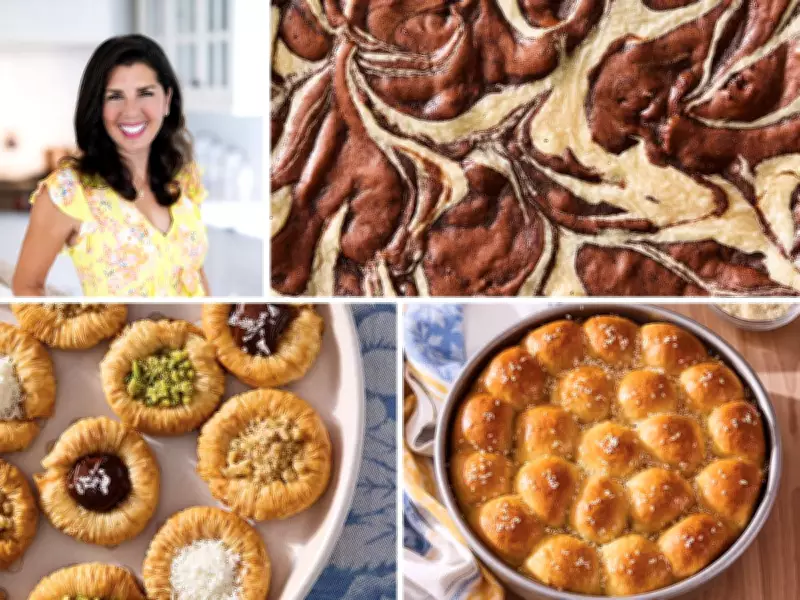
- Mocha Brownies with Olive Oil and Tahini Swirl: A modern twist on classic brownies incorporating Middle Eastern ingredients
- Honey Buns: Traditional sweet buns featuring the characteristic flavors of Lebanese baking
- Baklawa Nests: A creative presentation of the classic baklava dessert
Abood explains that while the idea for Lebanese Baking came early in her career, she lacked comprehensive resources about her heritage's baking traditions. "I pulled the old church books and many different kinds of books that cover different ground, but no book that covered all the ground that I wanted it to," she recalls. "And so, I thought, this book needs to be on our shelves, and I'd better get after it and write it."

Preserving Traditions While Embracing Modern Techniques
The award-winning writer embarked on an extensive research process, organizing chapters around specific baking categories including baklawa, knafeh, yeast breads, cakes, and cookies. Some recipes, like saj bread, held particular importance for preservation. When her grandmother passed away decades ago, the tradition of making the thin flatbread disappeared from her family. Abood dedicated herself to learning the craft and now maintains four saj ovens for practice.
Other recipes received modern adaptations to suit contemporary bakers' needs. "You come to here and now, this time and place, where I'm a professional developing recipes and wanting them to be simplified where they can be," Abood explains. "And even just—I hate to say the word—made better wherever possible."
The Sensory Experience of Lebanese Baking
Abood launched her blog, Rose Water & Orange Blossoms, in 2011 and spent fourteen years developing Lebanese baking recipes. Despite this extensive experience, she redeveloped every recipe for her second cookbook. "I really wanted to see what I could do to continue to improve the recipes," she says. "And also, I had so much fun doing it. It's kind of like a puzzle, and going like, 'OK, what can I do here that's going to be different?'"
Bread baking sparked Abood's initial passion for Lebanese baking, and she emphasizes its cultural significance in Lebanese cuisine. The cookbook dedicates an entire chapter to fatayer—savory hand pies made with yeasted dough—and begins the baklawa chapter with two recipes using homemade phyllo dough, which Abood describes as "the ultimate shaping experience and really a lot of fun."
Above all, Abood celebrates the sensory experience of Lebanese baked goods. "The textures of the Lebanese baklawa, which is our version of the baklava," she enthuses. "The fragrance and the aroma that goes along with so many of our baked goods, the rose water, the orange blossom water, the mahleb spice, which is a very gentle yet fragrant almond-like spice. Oh, my gosh. My mouth is watering just talking about it, truly. These are wonderful things."
The cookbook represents both a preservation effort and a creative exploration of Lebanese baking traditions, offering recipes that range from traditional preservation projects to modern interpretations that maintain the essence of Middle Eastern flavors while adapting to contemporary baking practices.