Culinary Alchemy: Transforming Unwanted Alcohol into Kitchen Gold
Have you ever glanced at your liquor cabinet and wondered what to do with those half-forgotten bottles gathering dust? From hostess gifts to vacation souvenirs, many households accumulate a collection of unusual or unwanted spirits. Instead of letting them languish, why not unlock their potential in the kitchen? Cooking with alcohol can elevate everyday dishes, turning mundane meals into culinary masterpieces.
The Hidden Treasures in Your Cabinet
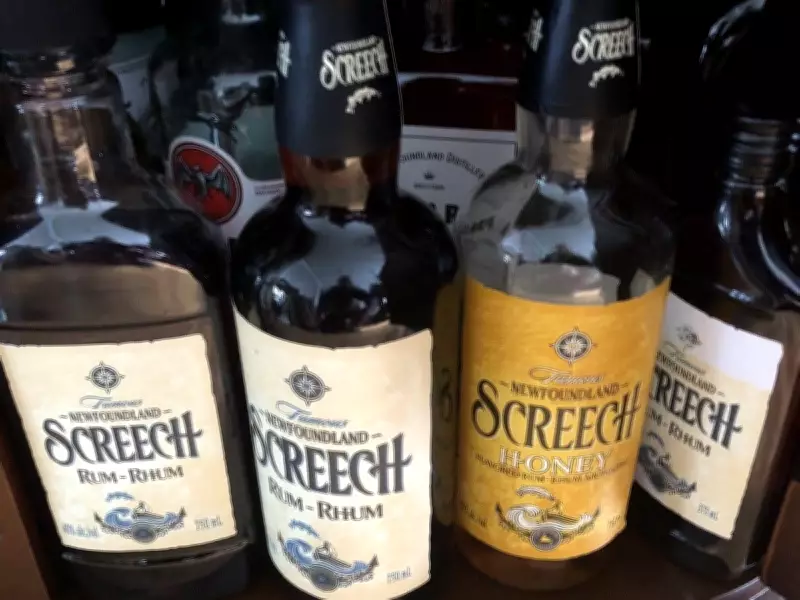
Consider the eclectic array that might be hiding in your home. Perhaps you have a bottle of Icewine, a sweet dessert wine from Canada, or Liqueur de calamansi, a tangy citrus liqueur. Maybe there's Screech, Newfoundland's robust rum, traditionally used in ceremonies but now sitting idle. These spirits, often purchased with good intentions, can find new life beyond the glass.
For instance, when introduced to Bermuda's Dark 'N' Stormy cocktail, one might buy both Gold Seal and Black Seal Gosling's rum to recreate it authentically, only to find both bottles nearly full years later. Rather than letting them go to waste, the kitchen offers a practical and delicious solution.

Why Cook with Alcohol?
Alcohol serves as a versatile culinary tool, enhancing textures and flavors in ways that other ingredients cannot. Concerns about alcohol content are often misplaced, as most of the potent components evaporate during cooking or baking, leaving behind rich aromas and subtle tastes. This makes it a safe option for family meals, provided it's used responsibly.
Instead of resorting to extreme measures like using vodka to defrost a windshield—a trick that works but might raise eyebrows—incorporating spirits into recipes is a more refined approach. It sets a positive example and reduces waste, aligning with sustainable living practices.
Creative Tips for Baking and Desserts
Baking with alcohol can yield impressive results. Vodka, for example, is renowned for creating flaky pie crusts and improving the texture of shortbread cookies. This works due to alcohol's unique ability to bind fat and water, resulting in tender, delicate baked goods.
For desserts, consider substituting half the liquid in frosting with rum, brandy, or limoncello to add a sophisticated twist. Coconut rum pairs beautifully with tropical-themed cakes, while a sangria icing made from red wine and orange liqueur complements chocolate cake perfectly. Even store-bought mixes, like Costco's brownie recipe, can be elevated by swapping in red wine for some of the liquid, creating sangria brownies that sound as delightful as they taste.
Savory Applications for Meats and Sauces
Alcohol isn't just for sweets; it shines in savory dishes too. Beef bourguignon relies on dry red wine like pinot noir for its deep flavor, while chicken dishes often benefit from the malty notes of beer. Steaks can be marinated with a shot of whiskey to tenderize and enrich the meat.
Deglazing pans with alcohol is a chef's secret for crafting heavenly sauces. A splash of wine or spirits, combined with butter, can transform pan drippings into a luxurious topping. Keep a bottle by the stove for impromptu culinary experiments, and you might just become a legend in your own kitchen.
Putting It All into Practice
To use up specific spirits, get creative. Icewine, with its high sugar content, is perfect for poaching pears or creating a Dijon glaze for roasted vegetables. Experiment with different alcohols to discover unique flavor profiles that enhance your favorite recipes.
So, the next time someone asks how you prefer your scotch, you can confidently reply: "Baked!" Embracing alcohol in cooking not only clears out cabinet space but also adds a touch of elegance to everyday meals.
Jane Macdougall is a freelance writer and former National Post columnist based in Vancouver. She authors The Bookless Club, featured weekly online and in The Vancouver Sun.