Canadian artists are facing a growing crisis as soaring fuel prices make touring increasingly unsustainable. The high cost of transportation, combined with other rising expenses, is forcing many musicians to cancel or significantly scale back their tours, threatening their livelihoods and the vibrancy of the country's live music scene.
Financial Strain on Musicians
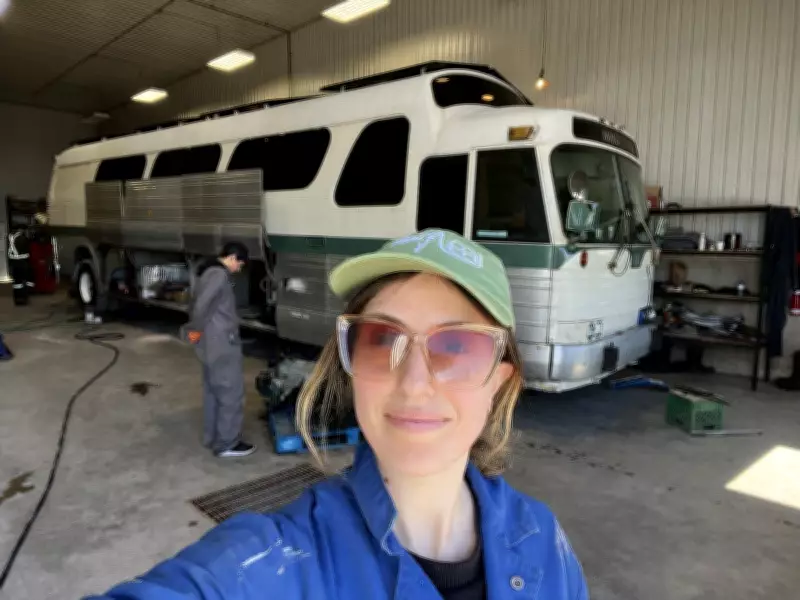
Miina, a British Columbia-based singer-songwriter, is among those feeling the pinch. Like many independent artists, she relies on touring to connect with fans and generate income. However, with fuel costs at record highs, the economics of the road have become precarious. “It's getting to the point where it's hard to justify going on tour,” Miina said in a recent interview. “The margins are already thin, and now fuel is eating up a huge chunk of our budget.”
The situation is echoed across the country. Many artists report that the cost of gasoline for tour vans and buses has doubled or tripled in recent years, while other expenses such as accommodation, food, and vehicle maintenance have also risen. For emerging artists, who often operate on tight budgets, the financial burden can be insurmountable.

Impact on the Industry
The ripple effects are being felt throughout the Canadian music industry. Venues in smaller communities, which rely on touring acts to draw audiences, are seeing fewer bookings. Promoters are struggling to attract artists, and fans in remote areas are losing access to live performances. The trend threatens to centralize live music in major urban centers, leaving rural and northern regions underserved.
“This is not just about inconvenience; it's about the survival of a cultural ecosystem,” said a spokesperson for the Canadian Independent Music Association. “Touring is how artists build their careers, and without it, many will be forced to leave the industry.”
Seeking Solutions
In response, some artists are exploring alternative strategies. Carpooling and van-sharing have become more common, as musicians band together to split costs. Others are investing in more fuel-efficient vehicles or opting for shorter tours that focus on densely populated areas. Digital concerts, which gained popularity during the pandemic, are also being revived as a supplement to live performances.
Government support has been limited, though some provinces have offered temporary fuel tax relief. Industry groups are calling for more targeted assistance, such as grants for touring artists or subsidies for fuel costs. “We need a sustainable solution,” said Miina. “Music is a vital part of Canadian identity, and we need to ensure that artists can continue to share it.”
As fuel prices show no signs of dropping significantly, the future of Canadian touring remains uncertain. For now, artists are adapting as best they can, but many fear that the road ahead will only get tougher.