Cabbage Three Ways: A Culinary Exploration of Versatile Recipes
In the world of culinary arts, cabbage often stands as an underrated vegetable, yet its versatility and nutritional value make it a staple in kitchens globally. This article delves into three distinct ways to prepare cabbage, offering readers innovative and traditional methods to incorporate this humble ingredient into their meals. From hearty soups to fresh salads, cabbage proves to be a dynamic component that can elevate any dish with its unique texture and flavor profile.
Traditional Cabbage Borscht: A Hearty Classic
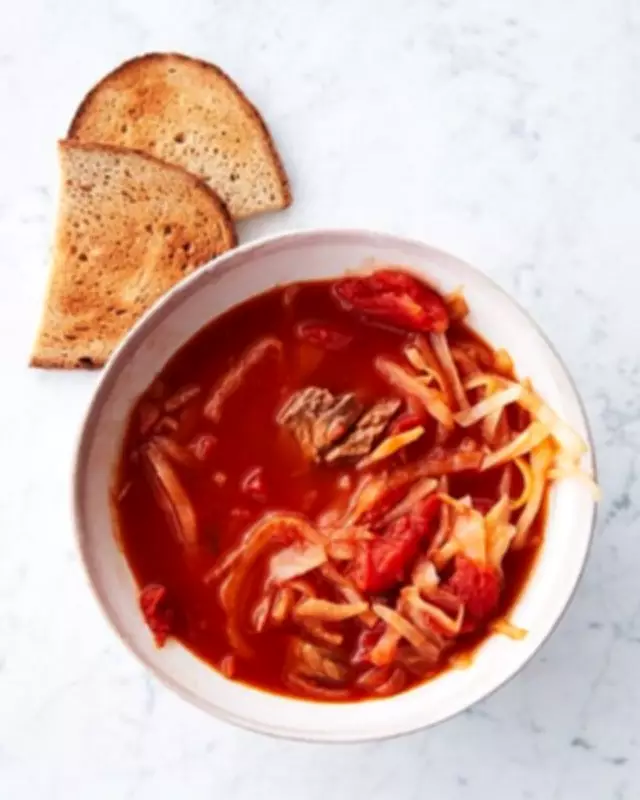
One of the most celebrated cabbage recipes is the traditional borscht, a soup that originates from Eastern Europe and has gained popularity worldwide for its rich, savory taste. This dish typically combines shredded cabbage with beets, potatoes, and other vegetables, simmered in a flavorful broth. The result is a comforting meal that is not only delicious but also packed with vitamins and minerals. Borscht can be served hot or cold, making it a versatile option for any season. Its deep red color, derived from beets, adds a vibrant visual appeal that enhances the dining experience.
Modern Twists on Cabbage Dishes
Beyond traditional recipes, cabbage can be transformed into contemporary dishes that cater to modern tastes. For instance, cabbage can be used in stir-fries, where it retains a slight crunch while absorbing the flavors of sauces and spices. Another innovative approach is to incorporate cabbage into slaws or salads, where its crisp texture pairs well with creamy dressings or tangy vinaigrettes. These modern interpretations highlight cabbage's adaptability, allowing it to shine in both cooked and raw forms. Experimenting with different cooking techniques, such as roasting or grilling, can further unlock new dimensions of flavor, making cabbage a go-to ingredient for creative cooks.

Health Benefits and Culinary Tips
Cabbage is not only versatile in the kitchen but also offers numerous health benefits. It is low in calories yet high in fiber, vitamins C and K, and antioxidants, supporting overall wellness. When preparing cabbage, it's important to handle it properly to preserve its nutrients. For example, avoid overcooking, as this can lead to a loss of vitamins and a mushy texture. Instead, aim for a tender-crisp consistency that maintains its nutritional value. Additionally, pairing cabbage with ingredients like garlic, onions, or herbs can enhance its natural flavors, creating balanced and satisfying meals. Whether you're a seasoned chef or a home cook, these tips can help you make the most of this nutritious vegetable.
In summary, cabbage's culinary potential is vast, from classic borscht to innovative salads and stir-fries. By exploring these three ways to prepare cabbage, readers can discover new recipes that are both healthy and delicious, enriching their culinary repertoire with this versatile ingredient.