Winter's Impact on Scalp Health: Understanding Dryness and Dermatitis
As frigid winter temperatures descend, many of us instinctively reach for body creams, butters, and moisturizers to combat dry skin. However, we often overlook a crucial area: our scalps. The skin on our heads requires special attention during the colder months, just like the rest of our body.
A Personal Journey with Scalp Troubles
Several years ago, I experienced a severe and embarrassing flare-up of seborrheic dermatitis, exacerbated by winter's harsh conditions. After exhausting nearly every available shampoo and moisturizer, I made multiple visits to my dermatologist. The doctor recommended several over-the-counter products and prescribed medicated shampoo and oil to provide relief for my persistently itchy scalp. While I haven't faced another flare-up of that intensity since, I decided to revisit this persistent issue to better understand why our scalps become drier in winter, why conditions like seborrheic dermatitis worsen in cold weather, and which products offer the most effective solutions.
Expert Insight from a Dermatologist
I consulted with New York City-based dermatologist Dr. Elyse Love, who explained that skin—including scalp skin—struggles to retain moisture during winter compared to summer. Fortunately, numerous skincare and haircare products can help address both dry scalp and chronic skin conditions. Below are Dr. Love's recommendations, which she notes work best when left on the scalp for three to five minutes before rinsing, followed by a hydrating hair conditioner. Of course, if these products don't provide complete relief, consulting with a board-certified dermatologist remains beneficial.

Top Product Recommendations
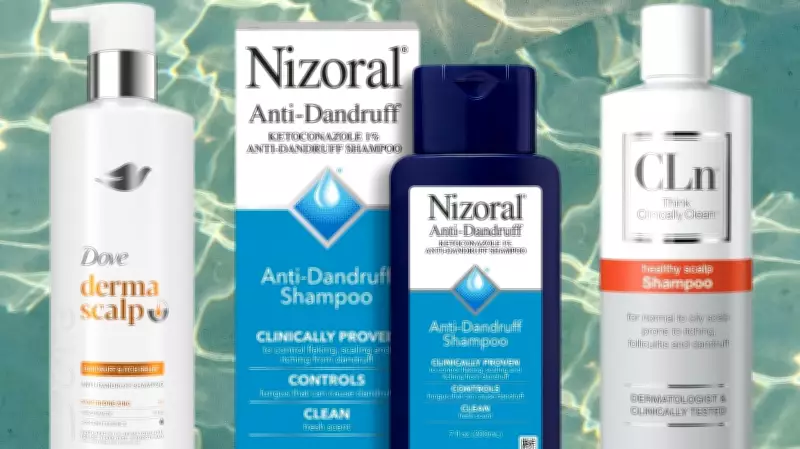
- Dove DermaCare Scalp Anti-Dandruff Shampoo
Dr. Love's go-to over-the-counter recommendation for both dry scalps and seborrheic dermatitis. This creamy shampoo from Dove targets dandruff while providing essential hydration. "It contains zinc for itch relief, oil balance, and removal of flakes. The formula is gentle and works with all hair types," Love explained. Available for $10 at Amazon and $11.79 at Target. - Cln Shampoo for Seborrheic Dermatitis and Psoriasis
A specialized solution for more severe conditions. "This gentle shampoo contains salicylic acid to break down thick scales seen in seborrheic dermatitis and psoriasis without irritating the scalp," Love said. The Cln shampoo works best for normal and oily skin and hair types and is recommended for use one to three times weekly. Available in 8-ounce size for $36 at Amazon and 3-ounce for $22 at Walmart. - Nizoral Anti-Dandruff Shampoo
An effective alternative to prescription shampoos. "Nizoral is a lower-strength version of one of the available prescription shampoos. It contains ketoconazole to control excess yeast seen in seborrheic dermatitis," Love noted. This gentle shampoo is designed to be safe for color-treated, chemically processed, and gray hair. It's salon-tested, creates a thick lather for thorough scalp cleansing, and leaves hair with a fresh scent. Available for $16 at both Amazon and Walmart.
Why Winter Wreaks Havoc on Scalp Health
Dr. Love provided detailed explanations for why our scalps suffer during colder months:

- Environmental Factors: "Our bodies are in constant equilibrium with the outside environment. High humidity means better moisture retention, and in winter, outside humidity drops significantly."
- Lifestyle Habits: "We tend to spend more time exposed to dry heaters and take long hot showers, while high winds can damage the skin barrier. All these factors contribute to drier skin in winter."
- Condition Distinctions: Love emphasized that seborrheic dermatitis is more common than a truly dry scalp. Because our skin becomes drier in winter, our scalps may overproduce natural oils, leading to irritation and buildup.
"[Both conditions] have opposite causes but can be difficult to distinguish clinically," Love clarified. "A dry scalp results from decreased oil production on the scalp and typically occurs in people who also have dry skin elsewhere on the body. Dandruff, or seborrheic dermatitis, is caused by overproduction of oil on the scalp and is more common in winter and during periods of high stress."
Learning that my beloved hot showers might be contributing to my winter skin struggles was humbling, but understanding these mechanisms provides valuable insight for better scalp care during challenging seasonal transitions.