Vatican Condemns Cosmetic Surgery as a 'Cult of the Body'
The Vatican has released a formal statement criticizing the widespread practice of cosmetic surgery, describing it as part of a dangerous 'cult of the body' that prioritizes physical appearance over inner values and spiritual well-being. This warning comes amid increasing global trends in aesthetic procedures, with the Church emphasizing the need to respect human dignity in its natural form.
Pope Leo XIV's Stance on Modern Vanity
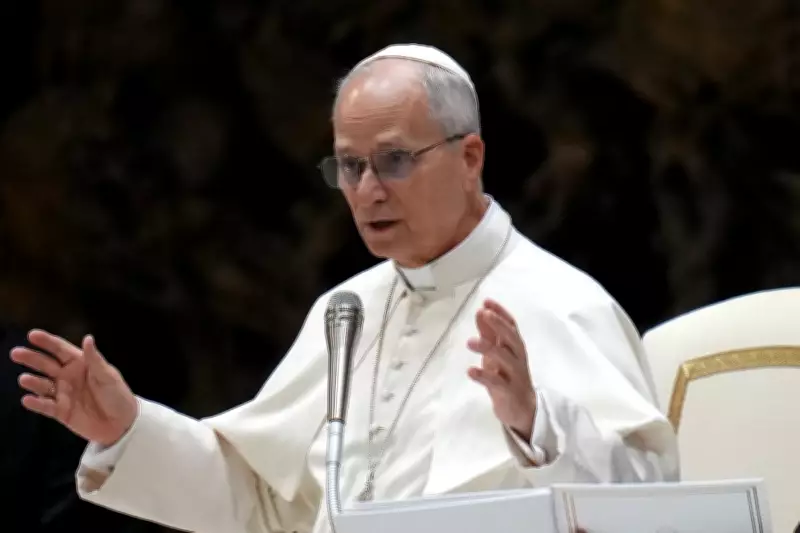
Pope Leo XIV, during his weekly general audience at the Vatican's Paul VI Hall, reinforced the Church's position by highlighting the ethical concerns associated with altering one's body for purely cosmetic reasons. He argued that such practices often stem from societal pressures and a distorted view of beauty, which can lead to psychological harm and a neglect of more meaningful aspects of life.
The Vatican's statement pointed out that cosmetic surgery, when not medically necessary, risks reducing individuals to mere objects of appearance, fostering a culture where self-worth is tied to physical perfection. This, in turn, can exacerbate issues like body dysmorphia and social inequality, as access to these procedures is often limited by financial means.

Broader Implications for Society and Health
Beyond the moral arguments, the Vatican's warning touches on public health and societal norms. Experts note that the rise in cosmetic surgeries reflects deeper issues, such as the influence of media and advertising in shaping unrealistic beauty standards. The Church advocates for a focus on holistic health, including mental and spiritual wellness, rather than superficial enhancements.
In response, some medical professionals have echoed these concerns, noting that while cosmetic surgery can have legitimate therapeutic uses, its over-commercialization poses risks. They stress the importance of thorough psychological evaluations and ethical guidelines to prevent exploitation and ensure patient safety.
The Vatican's message serves as a call to action for individuals and communities to reevaluate their attitudes toward beauty and self-acceptance, promoting a culture that values authenticity and inner growth over external appearances.