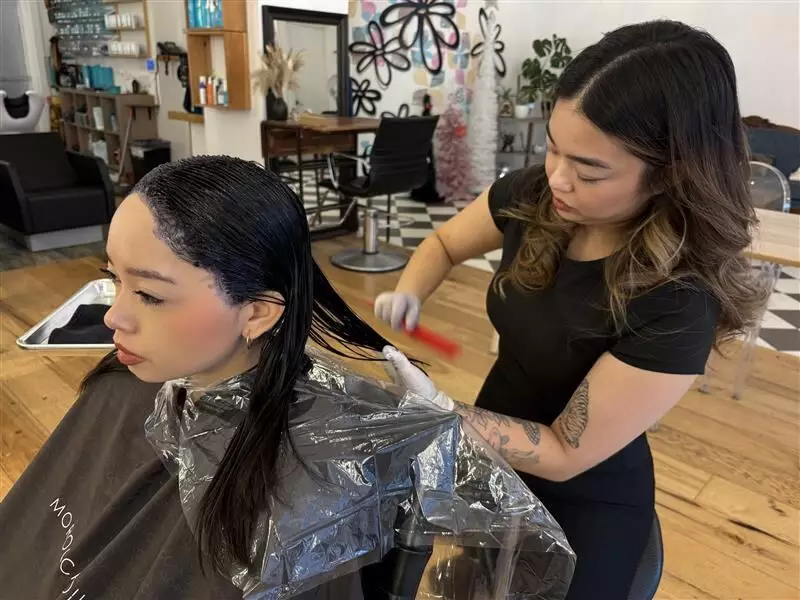
In a pioneering move for Canada's beauty industry, a Montreal salon is implementing a comprehensive program to recycle a wide array of materials traditionally destined for landfills, including human hair clippings. Aly Ana's salon is taking significant steps to minimize its environmental footprint by ensuring items like used hair dye, foils, aerosol cans, and empty shampoo containers are processed for reuse.
A Comprehensive Approach to Salon Sustainability
The initiative, highlighted in a report from December 24, 2025, moves beyond simple measures. While many businesses focus on paper or plastic, this Montreal establishment is tackling the complex waste stream unique to personal care. The salon sends its collected materials to a specialized program capable of handling the diverse mix of beauty waste. This includes hair, which can be repurposed for uses such as oil spill clean-up mats or compost, and used foils, which are often contaminated with chemical dyes.
Setting a New Standard for the Industry
The beauty and cosmetics sector generates a substantial amount of non-biodegradable and often hazardous waste. Aerosol cans, plastic containers, and chemical-laden foils present a significant recycling challenge. By partnering with a dedicated recycling program, Aly Ana's salon is demonstrating a viable path forward for other businesses. This model shows that with the right systems, salons can dramatically reduce their contribution to municipal waste streams.

The salon's efforts come at a time when consumers are increasingly seeking out eco-conscious service providers. This move not only benefits the environment but also positions the business as a leader in sustainable practices within Montreal's competitive beauty scene. It addresses a growing demand for services that align with personal environmental values.
The Future of Green Beauty Services
This Montreal-based initiative could serve as a blueprint for salons across Canada. As environmental regulations tighten and consumer preferences shift, adopting such recycling programs may transition from a niche practice to an industry standard. The success of this program highlights the need for more specialized waste processing facilities that can handle the unique materials found in beauty establishments.
The story of Aly Ana's salon is more than just a local news item; it's a case study in practical environmentalism within a specific trade. It proves that even industries with complex waste products can find innovative solutions to contribute to a circular economy and a healthier planet.