Expert-Recommended Moisturizers to Pair with Retinol for Healthy Skin
Retinol-infused skincare products have earned a stellar reputation for their transformative benefits. They effectively reduce the appearance of sun damage, treat and prevent acne, boost cell turnover, stimulate collagen production, and even out skin tone, making retinol a powerhouse ingredient in the beauty industry. However, this efficacy comes with a common downside: dryness and irritation, often referred to as "the retinol uglies." To mitigate these effects, it is crucial to pair retinol with a nourishing and hydrating moisturizer, while ensuring you avoid pore-clogging formulas.
For individuals with acne-prone or sensitive skin, selecting the right moisturizer is especially important. Prioritize non-comedogenic options and steer clear of fragrances, which can cause redness, peeling, rashes, and other irritations. Navigating ingredient lists can be overwhelming, so dermatologists offer guidance on what to look for and what to avoid.
Understanding Retinols, Retinoids, and Retinoic Acid
While "retinol" is often used as a blanket term for vitamin A derivatives, there are key distinctions. Retinols are available over-the-counter or through physician dispensing, whereas retinoids require a prescription. Both convert into retinoic acid, the active form that enhances skin turnover and collagen production for a plumper, smoother appearance.

Dr. Corey Hartman, a dermatologist in Birmingham, Alabama, explains that retinols have a lower concentration of retinoic acid, working more gradually with less irritation but slower results. In contrast, retinoids are more potent, delivering faster and more dramatic outcomes but with a higher risk of dryness, redness, and peeling. Dr. Annie Gonzalez recommends starting with a retinol to acclimate the skin before progressing to a prescription retinoid.
Moisturizer Application Techniques
When pairing a moisturizer with a retinoid, Dr. Hartman advises opting for bland formulas containing ceramides, hyaluronic acid, or humectants, without other active ingredients. Application methods vary based on skin sensitivity:
- Standard Method: Apply retinoid first, then moisturizer after a few minutes or 30 minutes later.
- Mixing Method: For sensitive skin, mix retinoid with moisturizer in a 1:1 ratio.
- Sandwich Technique: Layer moisturizer, then retinoid, then another layer of moisturizer for extra protection.
- Wash-Off Method: For super sensitive skin, apply retinoid, wash off after 30 minutes, and then moisturize generously.
Minor flakiness or irritation in the first few weeks is normal and should subside. Consult a dermatologist if symptoms persist.
Dermatologist-Approved Moisturizer Recommendations
Here are expert-recommended moisturizers to use with prescription retinoids, curated for various skin needs and budgets. Note that dermatologists consulted do not necessarily endorse all products listed unless specified.

- Paula's Choice Skin Recovery Replenishing Moisturizer: Formulated with peptides and hyaluronic acid, it soothes sensitive skin while improving fine lines and strengthening the moisture barrier. Priced around $17-$39.
- Merit Great Skin Priming Moisturizer: A makeup-friendly option with hyaluronic acid, glycerin, and peptides for hydration and elasticity, offering a blurred finish. Starts at $19.
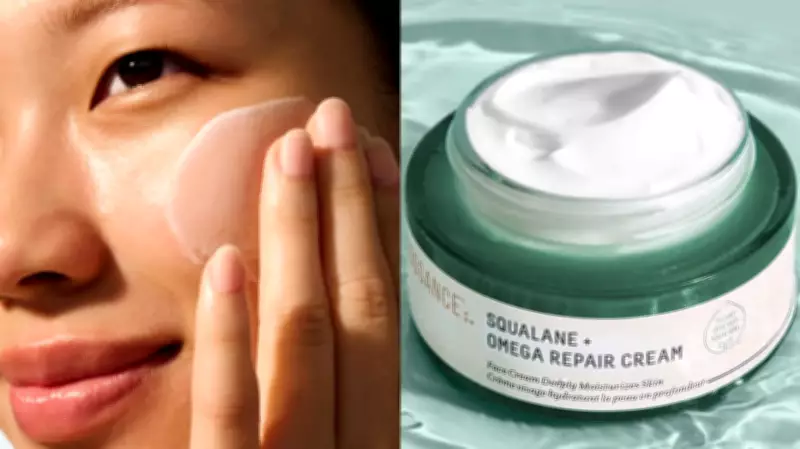
- Biossance Squalane + Omega Repair Cream: Features ceramides, hyaluronic acid, and squalane to hydrate, plump, and heal dry skin. Available for $60+.
- CeraVe Moisturizing Cream: A dermatologist favorite, it is fragrance-free, oil-free, hypoallergenic, and non-comedogenic, ideal for irritated skin. Costs $16-$19.
- SkinCeuticals Triple Lipid Restore 2:4:2: Combines ceramides, cholesterol, and fatty acids to restore the skin barrier, potentially shortening retinoid adjustment time. Priced at $155.
- Tatcha The Dewy Skin Cream: A luxurious option with Japanese purple rice for antioxidant-rich hydration, leaving skin soft and plump. Available for $72.
- Dieux Instant Angel Moisturizer: Contains ceramides, peptides, and squalane to repair the moisture barrier; fragrance-free and non-comedogenic. Costs $45.
- Belif The True Cream Moisturizing Bomb: Features glycerin, panthenol, and oat extract to soothe and hydrate, often used in a 1:1 mix with retinoids. Priced $24-$40.
- Vichy Minéral 89 Hyaluronic Acid Face Moisturizer: A lightweight, fragrance-free serum perfect for layering or solo use in warmer months. Available for $20-$30.
- La Roche-Posay Cicaplast Balm B5+ Cream: A therapeutic cream with glycerin, shea butter, and vitamin B5 to address dryness and irritation. Costs $19-$21.
- Weleda Skin Food Moisturizer: A customer favorite with plant-based ingredients like sweet almond oil and chamomile for intense hydration. Priced around $12.
- Neutrogena Hydro Boost Gel-Cream: Absorbs quickly like a gel but provides lasting hydration, ideal for those who dislike thick textures. Available for $20-$22.
- Neutrogena Hydro Boost Water Gel: Similar to the gel-cream, it is lightweight, non-comedogenic, and oil-free, recommended for oily skin. Costs $17-$23.
- Belif The True Cream Aqua Bomb: A lighter gel-cream with oat kernel extract and ceramides for hydration without heaviness. Priced $24-$27.
- Avène Revitalizing Nourishing Cream: A rich, thick cream for extra dry skin, offering a luxurious feel. Available for $44.
- Vanicream Moisturizing Lotion: Free of dyes, fragrance, and lanolin, it is light and non-pore-clogging. Costs around $14.
- Aveeno Sheer Hydration Lotion: Contains colloidal oatmeal to restore skin hydration and balance the barrier. Priced $10.
By choosing the right moisturizer and application method, you can maximize the benefits of retinol while minimizing discomfort, leading to healthier, more radiant skin.