Toronto Seniors Confront Harsh Winter Conditions and Deepening Loneliness
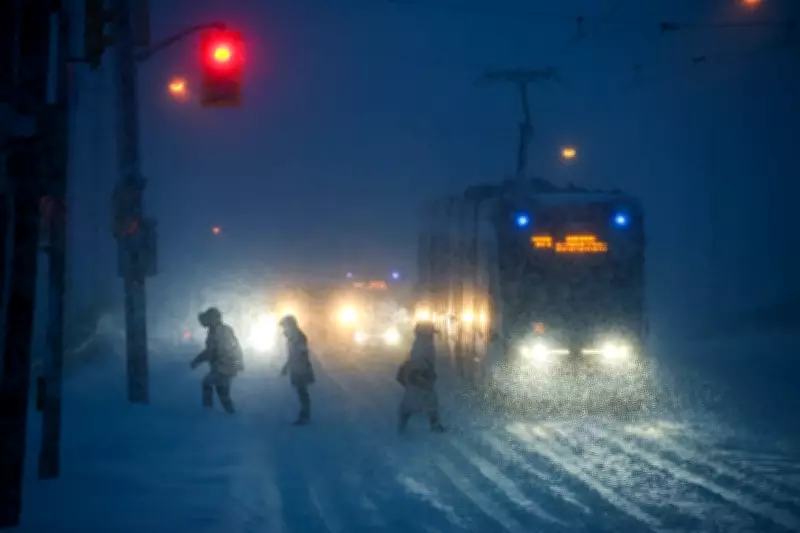
As a severe winter storm blankets Toronto with heavy snowfall and plunging temperatures, the city's senior population is facing a dual crisis of physical discomfort and profound social isolation. The extreme weather conditions, which have persisted through late January, are exacerbating existing vulnerabilities among older adults, many of whom are struggling to stay warm and connected.
Freezing Temperatures Amplify Health and Safety Risks
The recent bout of freezing weather, with temperatures dropping well below seasonal norms, poses significant health risks for seniors. Exposure to such cold can lead to hypothermia, frostbite, and aggravated respiratory issues, particularly for those with pre-existing medical conditions. Many elderly residents in Toronto are finding it difficult to venture outside for essential errands or medical appointments due to icy sidewalks and hazardous driving conditions.
Heavy snowfall has further complicated daily life, with snow accumulation making it challenging for seniors to navigate their neighborhoods safely. This isolation is not merely physical; it extends into the emotional realm, as the storm limits social interactions that are crucial for mental well-being.

Loneliness Emerges as a Silent Crisis
Beyond the immediate cold, the winter storm has intensified feelings of loneliness among Toronto's seniors. Social isolation, a persistent issue for many older adults, becomes more acute during extreme weather events when community centers may close, and family visits are curtailed. The lack of regular contact can lead to increased anxiety, depression, and a sense of abandonment.
Community advocates are raising alarms about the need for enhanced support systems. They emphasize that while the cold is a temporary threat, the loneliness it fosters can have long-lasting effects on seniors' health and quality of life.
Community and Government Responses
In response to the crisis, local organizations and city officials are mobilizing resources to assist seniors. Initiatives include:
- Expanding outreach programs to check on vulnerable individuals
- Providing transportation services for medical needs
- Offering warm shelters and community spaces for socialization
- Distributing winter safety kits with essentials like blankets and non-perishable food
However, challenges remain in ensuring that all seniors, especially those in remote or underserved areas, receive timely assistance. The situation underscores the importance of proactive measures to protect elderly residents during winter months.
Looking Ahead: Building Resilience for Future Storms
As climate change contributes to more frequent and severe winter weather events, experts stress the need for long-term strategies to support seniors. Recommendations include improving home insulation, enhancing emergency communication networks, and fostering stronger neighborhood bonds to combat isolation.
The current storm serves as a stark reminder of the vulnerabilities faced by Toronto's aging population. By addressing both the immediate cold and underlying social issues, the community can work towards a safer, more inclusive environment for all seniors during the harsh winter season.