Neuroarchitecture Emerges as Healing Design Philosophy
As diagnoses of anxiety, ADHD, and other neurodivergent conditions continue to rise globally, the world's leading design firms are fundamentally shifting their approach. Instead of creating stimulating environments, they are embracing a sensory-led philosophy that prioritizes nervous system regulation and healing. This movement represents a significant departure from traditional design principles that often overlooked neurological impacts.
The Personal Impact of Poor Design
For Vancouver resident Maryam Mobini, who lives with ADHD, everyday environments can be profoundly draining. The fluorescent lighting, constant noise from industrial espresso machines, and chilly temperatures common in coffee shops—where many remote workers spend their days—leave her so depleted she must retreat to a dark room to recover. This experience, shared by millions of neurodivergent people worldwide, highlights how conventional spaces can negatively impact both wellbeing and productivity.
Mobini, a sensory and behaviour designer who has contributed to anxiety and chronic pain research at Simon Fraser University, represents a growing cohort of neuro-informed designers. Trained under prominent behaviour scientist Dr. BJ Fogg and psychiatrist Dr. Daniel Amen, she brings both professional expertise and lived experience to her work.

Design That Regulates Rather Than Stimulates
Mobini's design philosophy centers on a revolutionary concept: instead of expecting individuals to rely on constant self-control, discipline, or coping mechanisms, the environment itself should support neurological wellbeing. "The environment is always on, influencing us every minute we're in it, whether we're aware of it or not," she explains. Through her company, the innovation and design studio to:Resonate, Mobini consults with architects and interaction designers across Canada, the United States, and Europe.
Her clientele includes highly successful professionals who struggle with ADHD and other neurodivergent conditions. Working with major organizations like Lululemon, Procter & Gamble, and Thrive Global, Mobini designs sensory-informed workplaces, wellness spaces, residential homes, and public installations. Her approach incorporates finely tuned acoustics, carefully calibrated LED lighting, and intuitive layouts that use frequency, light, colour, and sound to support nervous system regulation.
Neuroarchitecture Goes Mainstream
The concept of "nervous system regulation" has gained remarkable traction in recent years, with the hashtag garnering hundreds of millions of views on TikTok in 2024 alone. As Mobini observes, "Sensory overload, attention fragmentation, and burnout are becoming mainstream concerns." This cultural shift has prompted more design firms to incorporate neurological considerations into their core ethos.
The field of neuroarchitecture first emerged in the early 2000s when neuroscientists like Fred Gage at the Salk Institute in La Jolla, California began exploring connections between architecture and neuroplasticity. Today, research initiatives continue to expand globally, including the International Centre for Neuroarchitecture and NeuroDesign—a partnership between the Research Institute of Sweden and University College London dedicated to making built environments more inclusive.
Canadian Leadership in Sensory-Informed Design
In Canada, firms like Toronto's Mason Studio are pioneering sensory-informed residential and commercial projects. Stanley Sun, co-founder and creative director, emphasizes that neuro-informed design prioritizes function alongside aesthetics. "Materials are chosen not only for appearance but for how they perform," he explains. "Textiles that absorb sound reduce mental fatigue. Surfaces with natural variation are easier for the eye and nervous system to process."

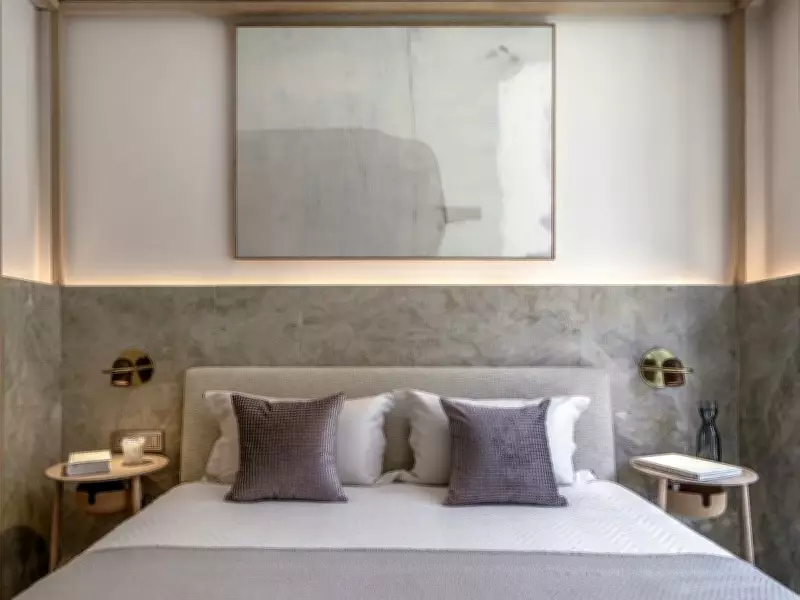
Even seemingly minor design decisions—flooring transitions, door placement, lighting choices—significantly influence how people move through spaces and how they feel within them. At Shanghai's Jing'an Residences townhouse, neutral tones, upward-cast lighting, and a wraparound marble lower wall accent create a palpable sense of calm and support. Similarly, The St. Regis Toronto's pre-function area, designed by Mason Studio and completed in 2025, features contrasting warm and cool light to guide attention and indicate gathering spaces.
This movement toward neuroarchitecture represents more than a design trend—it's a fundamental reimagining of how built environments can support human neurology. As research continues to reveal connections between space and wellbeing, and as public awareness grows, sensory-informed design promises to transform how we live, work, and heal in the spaces we inhabit daily.