Deadly Falls Surge Among Quebec's Aging Population
Fatal falls among older Quebecers have become a significant public health concern, with deaths quadrupling between 2000 and 2021 according to recent data. The Institut national de santé publique du Québec (INSPQ) reports that falls are now the leading cause of death and hospitalization from unintentional injuries for those aged 65 and older.
A Personal Story Highlights the Risk
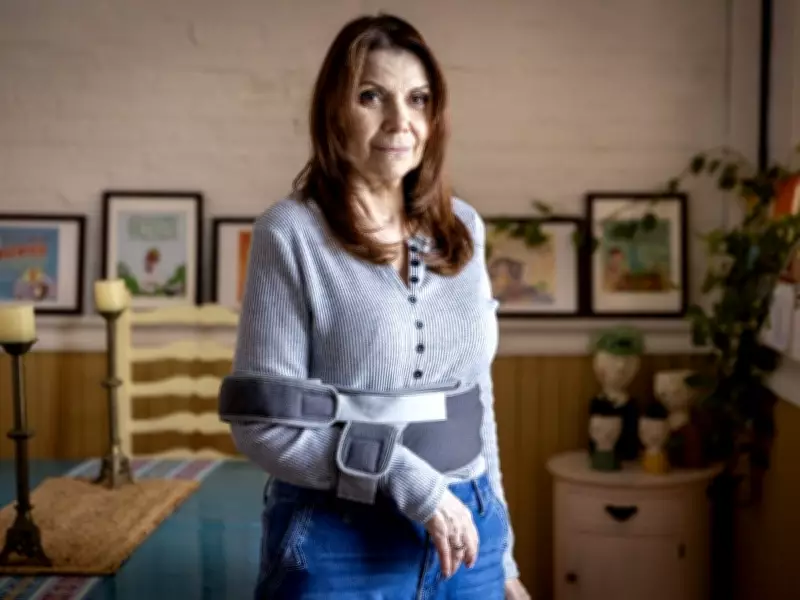
Montreal author Anne Renaud, 68, experienced firsthand how quickly a simple fall can change lives. While visiting Val d'Or last November, she slipped in snow while wearing boots with poor traction, fracturing her right shoulder. "I knew it was broken, because it hurt so much," she recalled. Although she avoided surgery, the recovery required extensive physiotherapy and permanent changes to her footwear choices.
Renaud's experience reflects a broader trend affecting Quebec's rapidly aging population. With more than one in five residents already 65 or older—projected to reach one in four by 2041—the incidence of falls and related injuries continues to climb.

Alarming Statistics Reveal Growing Crisis
The INSPQ's 2025 study reveals disturbing trends:
- Deaths from falls among those 65+ increased from 565 in 2000 to 2,355 in 2021
- Mortality rates rose from 69 to 136 deaths per 100,000 residents
- Adults aged 85 and older face particularly high risks
- Half of older adults who sustain hip fractures never regain previous functional capacity
- One-fifth die within six months of such fractures
Dr. Mathieu Gagné, scientific adviser at INSPQ, notes that traumatic brain injuries from falls often "precipitate admission to institutions and early death" among older adults.
New Medical Initiatives Address Prevention
In response to this growing crisis, healthcare providers have developed innovative prevention strategies. A specialized falls and fractures prevention clinic launched in 2024 through McGill University's division of geriatric medicine represents a major advancement. This collaborative effort with the Jewish General and Montreal General hospitals provides multidisciplinary care for high-risk seniors.
Dr. Ruby Friedman, a geriatrician at the Jewish General, emphasizes that falling is not a normal part of aging. "Some people think falling is a normal part of aging. 'Nothing happened,' they say. It's not just falls: It's also near-falls," he explains. The clinic's approach includes comprehensive assessments of medications, home environments, and cognitive function.
Exercise Programs Target Frailty and Balance
Physical activity has emerged as a crucial prevention tool. The Vivifrail program, endorsed by the World Health Organization and recently introduced at McGill, provides customized home exercises to improve balance and muscle strength. This five-level program requires no special equipment and is available free to healthcare professionals.
For frailer seniors, the Jewish General's DURAgym offers supervised sessions with kinesiologists to build strength, balance, and confidence. Dr. Gustavo Duque, director of McGill's division of geriatric medicine, notes that "epidemiological studies have consistently demonstrated a significant link between low levels of physical activity and an increased risk of falls."
Community-Based Prevention Efforts Expand
Across Quebec, community programs play vital roles in fall prevention. Stand Up! (known as PIED in French) offers twice-weekly sessions for autonomous seniors 65 and older, combining information about risk factors with balance and strength exercises. Occupational therapist Barbara Fillion, who coordinates the program's Montreal implementation, notes that "35 per cent of falls among older adults lead to fractures."
Even without serious injury, falls contribute to functional decline and fear of falling, creating a vicious cycle of reduced activity and increased vulnerability. Kinesiologist Philippe Briand, who leads Stand Up! sessions, emphasizes that "the goal is to have knowledge to prevent falls" through improved balance, leg strength, and confidence.

Medication Management and Home Safety
Healthcare providers increasingly focus on medication review for older patients. Dr. Friedman explains that "somewhere around age 75 to 80, the body's way of dealing with medications changes," making previously safe prescriptions potentially dangerous. De-prescribing unnecessary medications, particularly those affecting balance or blood pressure, has become a key prevention strategy.
Home environment assessments also prove crucial. Simple modifications like installing grab bars, removing loose carpets, and adding shower chairs can significantly reduce fall risks. These practical interventions form part of comprehensive prevention plans developed through interdisciplinary teams.
International Context and Hope for Improvement
Quebec's experience mirrors trends in other developed nations including the Netherlands, Spain, Australia, and the United States. However, successful prevention programs in Japan and Finland demonstrate that focused interventions can reduce fall-related deaths despite aging populations.
As Quebec's demographic shift continues, healthcare professionals remain committed to changing perceptions about aging and falls. Dr. Duque summarizes this crucial message: "What is concerning is that people think falling is normal with aging. I say, 'No, it is not normal.'" Through continued education, prevention programs, and specialized care, Quebec aims to reverse the troubling rise in fatal falls among its senior citizens.