Winnipeg Launches 72-Hour Protective Care Facility for Drug Intoxication
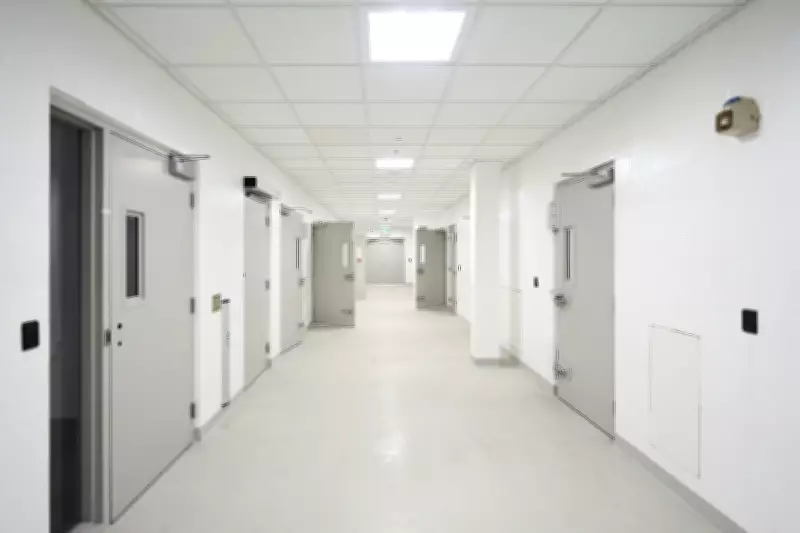
In a significant move to address public health and safety concerns, Winnipeg has officially opened a new protective care centre, commonly referred to as a sobering centre. This facility is designed to provide a 72-hour detention period for individuals who are high on methamphetamine and other substances, offering a safe environment away from the streets or emergency rooms.
Facility Details and Operational Goals
The centre, which began operations in early 2026, aims to reduce the strain on law enforcement and healthcare systems by diverting intoxicated persons from jails and hospitals. Instead, it focuses on stabilization, with trained staff monitoring clients for medical issues and connecting them to addiction recovery resources. The initiative reflects a growing trend in Canadian cities to adopt harm reduction strategies, particularly in response to the methamphetamine crisis that has impacted communities nationwide.
Key features of the facility include:

- Secure detention for up to 72 hours to ensure individuals sober up safely.
- Access to medical professionals and counselors for immediate support.
- Referrals to long-term treatment programs and social services upon release.
Community Impact and Broader Context
This development comes amid ongoing debates about drug policy and mental health services in Canada. By providing a dedicated space for intoxication management, Winnipeg hopes to decrease public disturbances and improve outcomes for those struggling with substance use. The centre's opening follows years of planning and community consultation, highlighting the city's commitment to innovative approaches in tackling addiction-related challenges.
Experts note that such facilities can play a crucial role in reducing overdose deaths and fostering pathways to recovery. As other municipalities observe Winnipeg's model, it may set a precedent for similar initiatives across the country, emphasizing a shift from punitive measures to compassionate care in drug-related incidents.