U.S. consumer prices climbed 3.8% in April compared to a year ago, driven primarily by surging energy costs as the ongoing conflict in Iran disrupts global oil markets. The latest figures from the Labor Department mark the highest inflation rate in several months, intensifying pressure on American households and businesses.
Energy sector leads price increases
Energy prices soared 12.5% year-over-year, accounting for the bulk of the overall inflation rise. Gasoline prices jumped 15%, while electricity and natural gas also saw significant increases. The Iran war has disrupted crude oil supplies, sending global energy prices sharply higher.
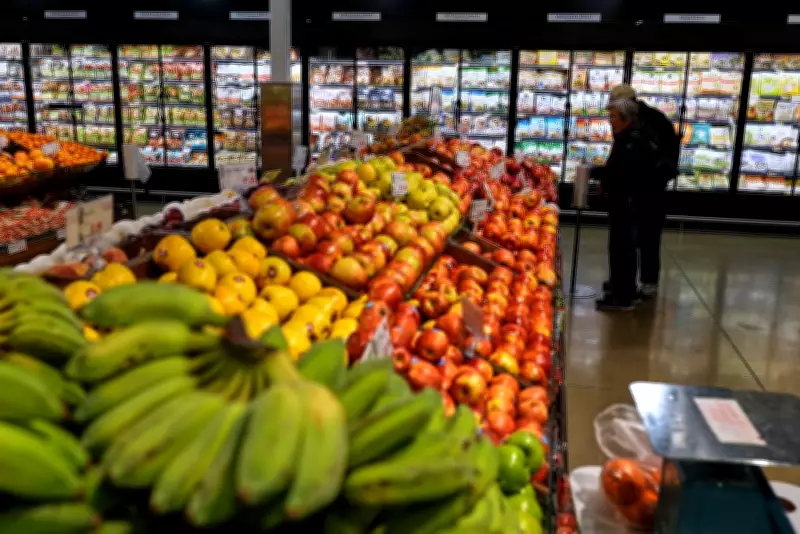
Food prices rose 2.8% annually, with grocery costs up 3.1%. Shelter costs increased 4.2%, continuing to put strain on renters and homeowners. Core inflation, which excludes volatile food and energy categories, rose 3.2%.

Impact on consumers and policy
The inflation data comes as the Federal Reserve considers its next policy moves. Higher energy costs are cutting into household budgets, particularly for low-income families. Economists warn that prolonged inflation could slow economic growth.
"The energy shock from the Iran war is reverberating through the economy," said Mark Zandi, chief economist at Moody's Analytics. "Consumers are feeling the pinch at the pump and in their utility bills."
White House officials acknowledged the challenge but emphasized efforts to stabilize energy markets. "We are working with allies to ensure adequate supply and mitigate price spikes," a spokesperson said.