A new working group has formed in Sudbury with a critical mission: to systematically collect and analyze data on frostbite and hypothermia cases. This initiative aims to better understand and address the severe winter health risks faced by the city's most vulnerable residents, particularly those experiencing homelessness.
Personal Tragedy Highlights Systemic Issue
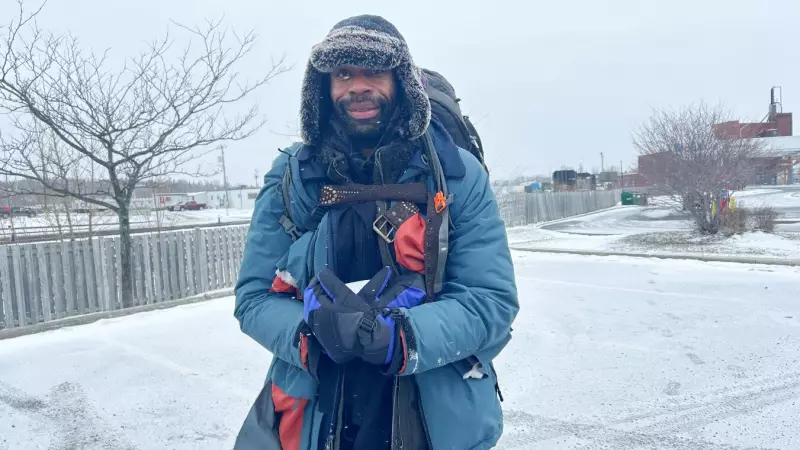
The urgent need for this focus is starkly illustrated by the experience of Marlon Wright. Wright, who has been homeless intermittently for several years, has suffered devastating personal losses due to extreme cold. He lost his fingertips to frostbite while in Regina and later lost several toes to the same condition in Sudbury. His story is not an isolated incident but a symptom of a larger, data-poor public health challenge.
The group, which includes healthcare providers, social service agencies, and community advocates, recognizes that without accurate, localized data, effective prevention and response strategies are difficult to develop. Current information on these cold-weather injuries is often fragmented or incomplete, hiding the true scale of the problem.

Building a Framework for Prevention and Care
The primary objective is to establish a consistent framework for reporting and tracking frostbite and hypothermia incidents across different service providers. This data will help identify patterns, such as specific weather conditions or locations that pose the highest risk. The insights gained are expected to guide several key actions:
- Improving the timing and placement of emergency warming centres.
- Targeting outreach efforts to known high-risk areas during extreme cold alerts.
- Informing healthcare protocols for treating these specific cold-weather injuries.
- Advocating for more resources based on concrete, local evidence.
The formation of this group comes amidst other concerning community safety news in Sudbury, including multiple sexual assault complaints linked to spiked drinks at an illegal bar, underscoring the varied threats facing vulnerable populations.
A Data-Driven Approach to Saving Lives
Advocates argue that in Northern Ontario's harsh climate, cold-weather injuries should be treated with the same seriousness as other public health emergencies. By treating frostbite and hypothermia as reportable conditions within a local context, the group hopes to move from reactive crisis management to proactive prevention.
The ultimate goal is clear: to prevent stories like Marlon Wright's from repeating. With better information, service providers can intervene earlier, and policymakers can be held accountable for ensuring that all residents have access to safe shelter from the lethal cold. The group's work, initiated in December 2025, represents a critical step toward making Sudbury a safer place for everyone during the long winter months.