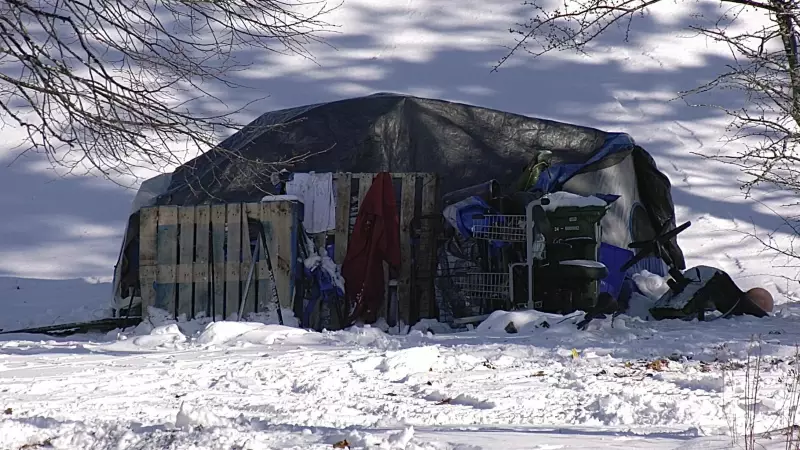
New Brunswick's Housing Minister has publicly confirmed the recent deaths of several individuals who were experiencing homelessness in the city of Saint John. This somber announcement comes alongside new data indicating a growing number of people without stable housing in the port city.
A Growing Crisis in the Port City
The confirmation was made by the provincial housing minister, though specific details regarding the number of fatalities or the exact circumstances were not fully disclosed in the initial report. The news underscores a severe and worsening situation on the streets of Saint John, where shelters and support services are facing increasing pressure.
New numbers reveal there are more people experiencing homelessness in Saint John now than in previous periods, painting a clear picture of a mounting crisis. Advocates for the unhoused have long warned that without adequate shelter, especially during the harsh winter months, vulnerable individuals face extreme and life-threatening risks.

Community Impact and Official Response
The deaths have sent shockwaves through the local community and among service providers. Frontline organizations working with the unhoused population are reiterating calls for immediate action and increased resources to prevent further tragedies.
While the minister's confirmation brings official acknowledgment to the issue, it also raises urgent questions about the province's and municipality's strategies for addressing homelessness. The situation calls for a coordinated response involving emergency shelter, long-term supportive housing, and enhanced health and social services tailored to the needs of this vulnerable population.
The Path Forward Amidst Tragedy
This tragic development is likely to intensify debates around housing policy, poverty reduction, and mental health support in New Brunswick. The confirmation of deaths directly linked to homelessness serves as a stark reminder of the human cost of the housing affordability and availability crisis, not just in Saint John but across many Canadian communities.
The incident highlights the critical need for sustainable solutions that go beyond temporary measures. Experts suggest that a multi-faceted approach, including rapid re-housing programs, increased social assistance rates, and the construction of deeply affordable housing units, is essential to making a tangible difference.
As the community mourns, the focus turns to what concrete steps will be taken by all levels of government to ensure such a loss of life does not become a recurring headline.