Parasite Infections Emerge in Kashechewan First Nation During Evacuation
In a concerning development, some residents of Kashechewan First Nation in northern Ontario have tested positive for a parasite amid an ongoing evacuation. This health issue adds a layer of complexity to the community's current challenges, highlighting vulnerabilities in remote Indigenous regions.
Health Crisis Unfolds in Remote Community
The discovery of parasite infections comes as Kashechewan First Nation is undergoing an evacuation, though specific details about the evacuation's cause or scale remain unclear from the initial report. Health officials are likely mobilizing to address the outbreak, which could involve testing, treatment, and containment measures to prevent further spread.
Parasitic infections can pose significant risks, especially in communities with limited access to healthcare resources. Symptoms may include gastrointestinal distress, fatigue, and other health complications, requiring prompt medical attention.

Context of Kashechewan First Nation
Kashechewan First Nation is a remote Cree community located along the Albany River in northern Ontario. It has faced numerous challenges over the years, including flooding, water quality issues, and infrastructure deficits. This parasite outbreak underscores the ongoing health disparities and environmental risks that many Indigenous communities in Canada confront.
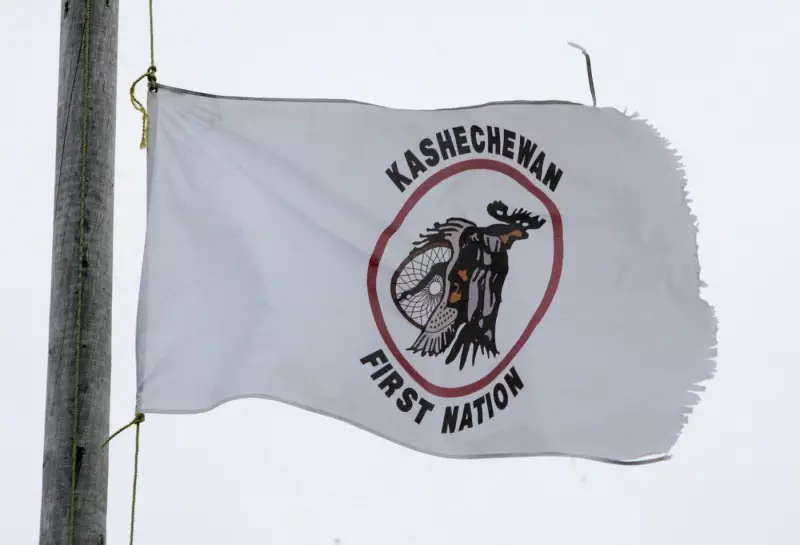
The community's flag, often seen tattered and flying outside local landmarks like St. Paul's Anglican church, symbolizes resilience amid adversity. This latest health scare may prompt calls for improved public health support and emergency preparedness in northern regions.
Broader Implications and Response
This incident raises questions about healthcare access and disease surveillance in isolated areas. As authorities respond, it will be crucial to ensure that affected residents receive adequate care and that preventive steps are taken to safeguard the broader population.
The situation in Kashechewan serves as a reminder of the interconnectedness of health, environment, and community well-being. It may also spark discussions on federal and provincial responsibilities in supporting Indigenous health initiatives.
Updates on the evacuation and parasite outbreak are expected as more information becomes available, with health agencies likely coordinating efforts to manage the crisis effectively.