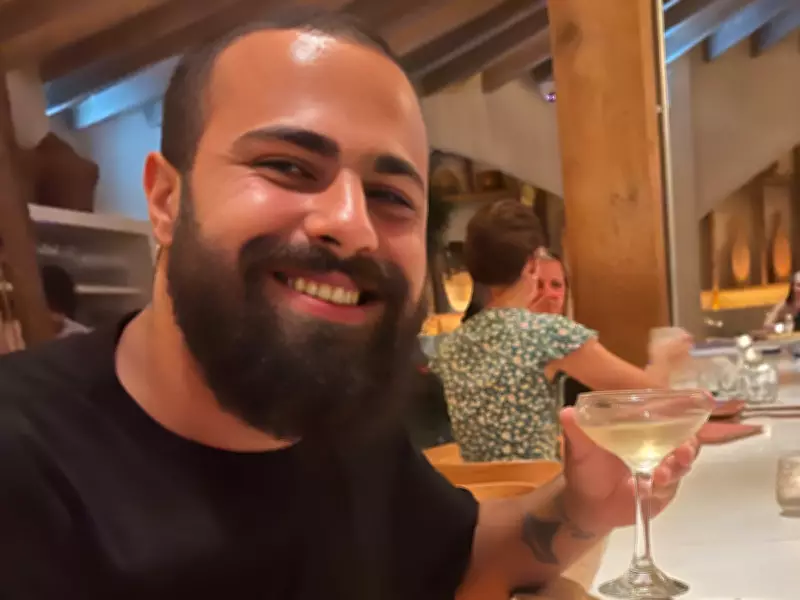
Ontario Man Denied MAID at Home Dies by Assisted Death in B.C. at Age 26
A grieving mother from the Toronto area is demanding answers after her 26-year-old son, who faced vision loss and depression due to diabetes, was granted a doctor-assisted death in British Columbia in December 2025. This occurred after he was reportedly deemed ineligible for euthanasia in his home province of Ontario.
Family Alleges Doctor Shopping Led to Tragic Outcome
Kiano Vafaeian passed away by medical assistance in dying (MAID) on December 30, 2025, in a Vancouver funeral home. His family asserts that Canada's MAID law enabled him to doctor shop until he found a willing provider across the country. According to his relatives, his request was approved and administered by Dr. Ellen Wiebe, a prominent MAID physician who has assisted over 430 people.
Margaret Marsilla, Vafaeian's mother, had previously intervened in 2022 to stop a planned MAID death at a Toronto clinic when her son was 23. After discovering an email confirming the scheduled date, she launched a social media campaign and online petition, leading the doctor to postpone and eventually withdraw approval. Despite this, Vafaeian continued to pursue MAID.

Controversial Case Highlights Ethical Concerns in MAID System
This case has attracted international media attention, raising questions about the flexibility and consistency of Canada's MAID framework. University of Toronto bioethicist Kerry Bowman, who specializes in end-of-life care, commented, "Is it too malleable? That's the question." The situation underscores ongoing debates about safeguards and provincial disparities in assisted dying practices.
In November 2023, doctors at a Toronto hospital declined Vafaeian's request for a MAID assessment, citing that he did not have a terminal illness or was not nearing a natural death, as per a document shared by the family. It remains unclear whether they evaluated him only for Track 1 (terminal illness) or also considered Track 2 (non-terminal conditions). His step-father, Joseph Caprara, noted, "We know this by his own account, saying to his mother that anyone that he would go see for MAID declined him."
Mother's Anguish and Calls for Accountability
Days after her son's death, Marsilla expressed her grief and frustration on Instagram, writing, "Every breath hurts without him. And I am angry. So angry that I don't even feel like I'm allowed to grieve properly. I am angry that a doctor took my son. Angry that we are expected to blindly trust doctors." She emphasized the pain of having strangers make final decisions about her son's life without knowing his personal struggles.
When contacted, Dr. Wiebe declined to comment on specific cases but reiterated that Canada's MAID law requires individuals to have a grievous and irremediable condition causing unbearable suffering. This case continues to fuel discussions about:
- The need for stricter national guidelines to prevent doctor shopping.
- Improved mental health support for individuals with chronic illnesses.
- Enhanced family involvement in MAID decisions.
As the family seeks closure, this tragic incident serves as a poignant reminder of the complex ethical and emotional dimensions surrounding medical assistance in dying in Canada.