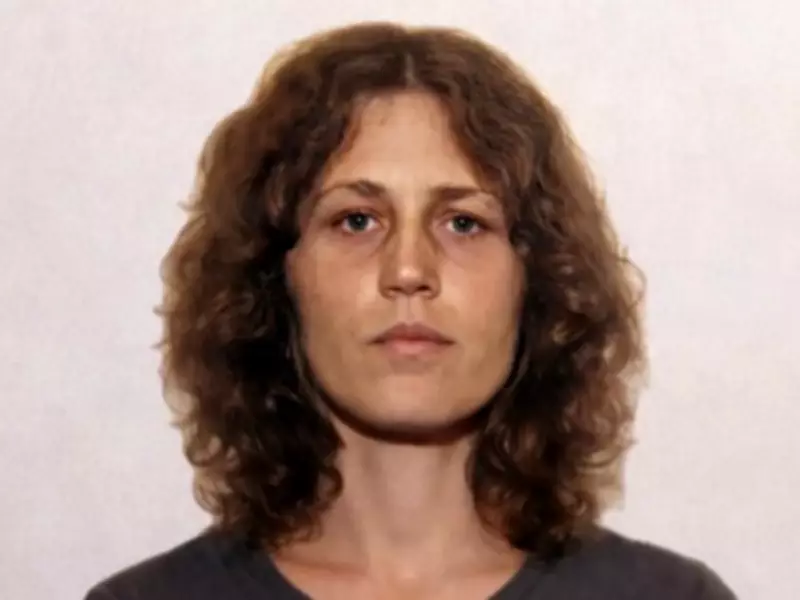
Four-Decade Mystery Solved: DNA Technology Identifies Canadian Woman's Remains Found in Florida
In a remarkable breakthrough that has solved a mystery spanning more than four decades, skeletal remains discovered in Florida in 1985 have been positively identified as belonging to a missing Canadian woman. The identification of Jeanette Marcotte, who vanished in the early 1980s, represents a significant achievement in forensic science and cold case investigation.
The Discovery and Initial Investigation
The remains were found in January 1985 in a wooded area of Malabar, Florida, approximately 40 years ago. At the time of discovery, forensic experts from multiple agencies including the Florida Department of Law Enforcement, the Brevard County Sheriff's Office, and the District 18 Medical Examiner's Office conducted an extensive examination. They determined the individual was a woman between 20 and 50 years old, standing between 5 feet and 5-foot-7 inches tall.
Despite thorough investigation efforts, authorities were unable to establish the woman's identity as no personal identification was found with the remains. The case eventually went cold, with the unidentified woman becoming known as "Malabar Jane Doe" in official records. Her details were entered into the U.S. National Missing and Unidentified Persons System, where they remained for decades.

The DNA Breakthrough
The turning point in this long-standing mystery came when investigators submitted forensic evidence to Othram, a Texas-based forensic laboratory specializing in advanced DNA sequencing technology. The company's scientists successfully developed a comprehensive DNA profile that could be used for forensic genetic genealogy.
This DNA profile enabled the Florida Department of Law Enforcement to conduct a genetic genealogical search that generated new investigative leads. Through meticulous follow-up investigation, authorities were able to narrow down the woman's possible identity, ultimately confirming the remains belonged to Jeanette Marcotte.
The Missing Canadian Connection
Jeanette Marcotte was last seen in Saskatchewan in either 1981 or 1982, according to available records. Before her disappearance, she reportedly indicated she was traveling to Vancouver, British Columbia, but was never seen again. The discovery of her remains in Florida, thousands of kilometers from where she was last known to be, presented investigators with a particularly challenging geographical puzzle.
Kristen Mittelman, Chief Development Officer at Othram, emphasized the significance of this identification in a statement: "In a cold case like this, where a woman is reported missing in Canada and her remains are found in Florida, there is almost no way for investigators to piece that together except through DNA. These are difficult cases to solve, but the technology is here and it works."
Broader Implications for Cold Case Investigations
This successful identification demonstrates the powerful potential of modern forensic technology in solving historical mysteries. The case joins a growing number of cold cases being resolved through advanced DNA analysis and genetic genealogy techniques, offering hope to families of missing persons across North America.
The identification of Jeanette Marcotte after more than 40 years provides some measure of closure to a case that had remained unresolved for decades, while simultaneously highlighting the evolving capabilities of forensic science in addressing historical investigations that once seemed permanently stalled.