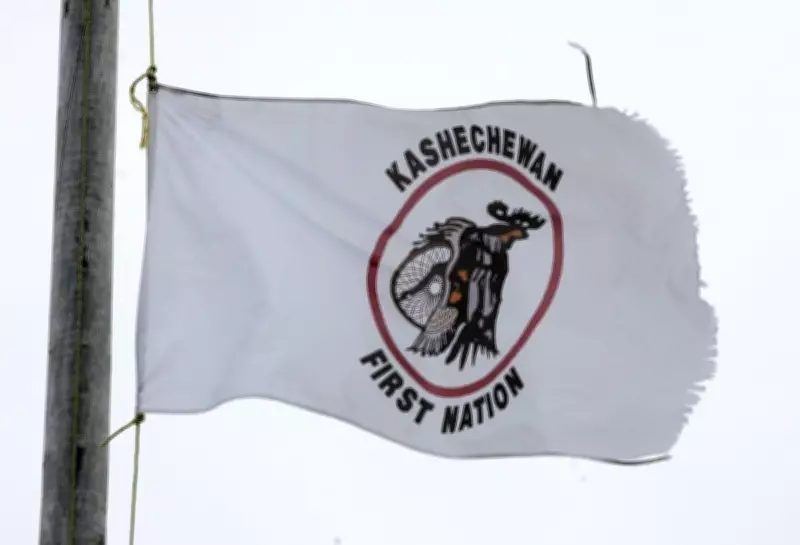
Kashechewan Health Workers Evacuate Amid Confirmed Parasite Outbreak in Water Supply
In a critical development for Northern Ontario, health workers are being evacuated from the Kashechewan First Nation community following the confirmation of parasites in the local water supply. This evacuation comes as the community has been without access to clean drinking water for several weeks, with no immediate resolution in sight. The situation has escalated into a full-blown public health emergency, prompting urgent action from medical authorities and community leaders.
Evacuation Efforts and Support Services for Remaining Residents
The evacuation of nurses and other medical personnel is currently underway, although adverse weather conditions have temporarily halted some of these efforts. For those residents who choose to remain in Kashechewan, support services are being arranged to ensure they have access to necessary medical care and resources. A mobile clinic has been established to assist evacuees and provide ongoing health monitoring for the community.
Community leaders have declared a state of emergency and are implementing water rationing measures as they await more permanent solutions. Reports of illness among residents have been increasing, highlighting the severity of the contaminated water situation. The crisis stems from a sewage backup that has compromised the water system, creating an environment where parasites can thrive.

Government Response and Community Demands
Kashechewan First Nation officials have characterized government action to date as "inadequate," calling for more decisive intervention and long-term solutions to the community's water infrastructure problems. This is not the first time Kashechewan has faced water quality issues, but the current parasite outbreak represents one of the most serious health threats in recent memory.
The evacuation of health workers creates additional challenges for a community already struggling with limited medical resources. With medical personnel leaving, the remaining support systems become even more crucial for protecting community health. The situation has drawn national attention, with many questioning why Indigenous communities continue to face such fundamental infrastructure failures in a developed nation like Canada.
Broader Implications for Indigenous Health and Infrastructure
This crisis in Kashechewan highlights ongoing disparities in access to clean water and adequate healthcare in many Indigenous communities across Canada. The parasite outbreak serves as a stark reminder of the infrastructure gaps that persist despite repeated promises of improvement from various levels of government.
As the evacuation continues and support services are mobilized, community members and advocates are demanding:
- Immediate restoration of clean water access
- Comprehensive medical support for affected residents
- Long-term infrastructure investments to prevent future crises
- Transparent communication about water safety testing results
- Accountability for the systemic failures that led to this situation
The Kashechewan water crisis represents both an urgent public health emergency and a symptom of deeper systemic issues affecting Indigenous communities in Canada. As health workers evacuate and residents cope with the consequences of contaminated water, the need for sustainable solutions has never been more apparent.