Minnesota's Healthcare System Under Siege Amid Immigration Crackdown
In a stark development that has sent shockwaves through Minnesota's medical community, hospitals and clinics across the state are reporting unprecedented levels of chaos and fear directly linked to the Trump administration's intensified immigration enforcement operations. Doctors, nurses, and healthcare administrators describe a healthcare environment where patients are avoiding critical medical care out of terror of encountering Immigration and Customs Enforcement (ICE) officials, creating dangerous gaps in treatment and putting vulnerable populations at severe risk.
Patients Disappearing From Medical Care
The human toll of this enforcement surge has become devastatingly clear through numerous documented cases. Medical professionals have reported a pregnant woman who missed her essential prenatal checkup because she was too afraid to visit a clinic during the crackdown. A nurse eventually found her at home, already in active labor and moments away from giving birth without any medical supervision. Another patient diagnosed with kidney cancer vanished from sight after being detained in immigration facilities, leaving behind his vital medication. Although legal intervention eventually secured the delivery of his medicine to detention centers, doctors remain uncertain whether he has actually been able to access and take these life-sustaining drugs.
Additional troubling cases continue to emerge throughout Minnesota's healthcare system. Diabetic patients are avoiding pharmacies to pick up insulin, individuals with treatable wounds are allowing infections to fester until they require intensive care hospitalization, and hospital staff members from diverse backgrounds including Latin America, Somalia, and Myanmar are reporting such intense fear that they are reluctant to come to work. "Our places of healing are under siege," declared Dr. Roli Dwivedi, past president of the Minnesota Academy of Family Physicians, during a recent state Capitol news conference in St. Paul where physician after physician shared disturbing accounts of patient suffering directly connected to the enforcement clampdown.

Policy Shift Creates Medical No-Go Zones
This healthcare crisis stems from a significant policy reversal implemented approximately one year ago. For years, hospitals, schools, and churches had maintained protected status as off-limits locations for immigration enforcement actions under guidelines established in 2011. The Trump administration's decision to rescind these protections has fundamentally altered the landscape of medical care for immigrant communities across Minnesota and beyond.
Dr. Dwivedi, with nineteen years of medical practice in Minnesota, emphasized the unprecedented nature of the current situation: "I have never seen this level of chaos and fear," she stated, noting that the atmosphere of terror has surpassed even the peak of the COVID-19 pandemic crisis. The psychological impact on both patients and healthcare providers has created a parallel public health emergency that threatens to undermine decades of medical progress in community health outreach and preventive care.
Hospital Staff Forced Into Covert Communications
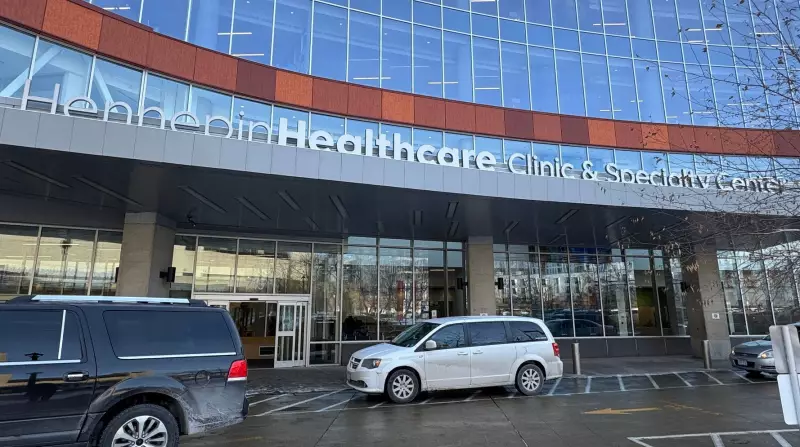
At Minneapolis' sprawling downtown Hennepin County Medical Center, a nationally recognized trauma hospital with the state's busiest emergency room, medical professionals have been compelled to adopt extraordinary measures to protect their patients and themselves. Doctors and nurses have moved sensitive communications about immigration enforcement encounters to encrypted group chats, where they document disturbing interactions with ICE officials. These include a recent incident where an officer was accused of unnecessarily shackling a patient, raising serious questions about medical ethics and patient dignity.

One nurse, speaking anonymously due to lack of media authorization, expressed disbelief at the current circumstances: "I can't believe we're having to resort to this." The nurse described plainclothes ICE officers becoming a constant presence around the hospital facility, disproportionately focusing on people of color and demanding documentation from both patients and employees as they attempt to leave the medical center. "How is this all happening?" the nurse questioned, highlighting the surreal nature of medical professionals needing to implement security protocols typically associated with conflict zones rather than community hospitals.
Federal Denials Versus Medical Realities
Tricia McLaughlin, a Department of Homeland Security spokeswoman, has categorically denied that federal officers are interfering with medical care delivery. "ICE does not conduct enforcement at hospitals—period," McLaughlin asserted. "We would only go into a hospital if there were an active danger to public safety or to accompany detainees." In an official statement, she shifted blame to protest activities, claiming: "If anyone is impeding Minnesotans from making appointments or picking up prescriptions, it's violent agitators who are blocking roadways, ramming vehicles, and vandalizing property."
However, medical professionals across multiple states report a different reality entirely. Sandy Reding, vice president of National Nurses United and president of the California Nurses Association, confirmed that immigrants are "absolutely" avoiding essential medical care due to enforcement fears, with some Southern California hospitals already documenting declining patient numbers. This medical avoidance phenomenon appears particularly pronounced in Democratic-led states where immigration enforcement has intensified, though the crisis extends beyond partisan boundaries to affect healthcare systems nationwide.
National Pattern of Medical Interference Emerges
The troubling situation in Minnesota reflects a broader national pattern of immigration enforcement disrupting medical care. In Oregon, the nurses union has raised serious concerns about ICE officers bringing detainees to Legacy Emanuel Medical Center in Portland. The Oregon Nurses Association detailed in a letter how officers have pressured medical staff to skip essential assessments, diagnostic tests, and monitoring protocols to accelerate patient discharge against clinical recommendations.
"Nurses have reported instances where physicians have recommended continued hospitalization, but ICE insisted on removing the patient, effectively forcing discharge over clinical advice," the union documented. "In some cases, nurses report that detainee patients have had little or no opportunity to participate meaningfully in these decisions; the officers simply announce, 'We're going,' and Legacy staff are left to accommodate." Legacy Health responded by stating it has reviewed policies to balance community protection with legal compliance while maintaining its commitment to provide care regardless of immigration status.
Operation Metro Surge's Devastating Impact
Minnesota's specific enforcement initiative, dubbed Operation Metro Surge, represents the largest immigration enforcement operation in history according to Department of Homeland Security statements. Beginning late last year and surging to unprecedented levels in January, the operation has deployed approximately 2,000 federal agents and officers to the Minneapolis area. Government court filings confirm more than 3,000 arrests of people in the country illegally during this crackdown.
The medical consequences have been severe and widespread. Dr. Erin Stevens, legislative chair for the Minnesota section of the American College of Obstetricians and Gynecologists, reported: "Our patients are missing," with pregnant women particularly vulnerable as they miss critical prenatal care. Requests for home births have increased dramatically, "even among patients who have never previously considered this or for whom it is not a safe option." This shift toward riskier delivery methods represents a dangerous regression in maternal healthcare that could have tragic consequences.
Community Tensions Reach Breaking Point
The enforcement surge in the deeply liberal Twin Cities metropolitan area has ignited fierce community conflicts, pitting activists against immigration officers and creating standoffs between local officials and federal authorities. The tensions turned deadly when a mother of three was shot by an ICE officer in what federal officials characterized as self-defense but local authorities described as reckless and unnecessary force.
Recent protests have extended to religious institutions, with demonstrators disrupting a Sunday service at a St. Paul church because one of its pastors leads the local ICE field office. Protesters approached the pulpit at Cities Church while others chanted "ICE out," prompting the U.S. Department of Justice to open a civil rights investigation into the incident. As Minnesota's healthcare crisis deepens and community divisions widen, medical professionals continue sounding alarms about the human cost of immigration policies that transform hospitals from sanctuaries of healing into potential sites of apprehension and fear.