Debunking Common Myths About Ice, Cold Water, and Drowning Risks
As winter tightens its grip across Canada, understanding the real dangers of ice and cold water becomes critical for public safety. Numerous misconceptions persist about how to respond in emergencies, potentially putting lives at risk. Experts are now stepping forward to debunk these myths with evidence-based facts, aiming to reduce preventable accidents during the colder months.
The Reality of Cold Water Immersion
One prevalent myth suggests that cold water immersion instantly leads to hypothermia. While hypothermia is a serious risk, the initial shock of entering frigid water can be even more dangerous. The body's immediate response, known as the cold shock response, includes involuntary gasping and hyperventilation, which can cause water inhalation and rapid drowning within minutes. This phase often occurs before hypothermia sets in, highlighting the need for swift rescue efforts.
Another common belief is that strong swimmers can easily escape cold water. In reality, cold water significantly impairs muscle function and coordination, making even experienced swimmers vulnerable. The "swim failure" phenomenon can set in quickly, reducing the ability to stay afloat or reach safety. Experts emphasize that self-rescue techniques, such as floating on your back to conserve energy, are more effective than attempting to swim long distances.

Ice Safety Misconceptions
Many people assume that clear, thick ice is always safe, but this is not entirely accurate. Ice strength depends on various factors, including temperature fluctuations, water currents, and snow cover. For instance, snow can insulate ice, preventing it from thickening uniformly. Authorities recommend that ice should be at least 10 centimeters thick for walking and 20 centimeters for group activities, but these are general guidelines that require local assessment.
A dangerous myth involves using alcohol to warm up after exposure to cold water. Alcohol actually dilates blood vessels, increasing heat loss and raising the risk of hypothermia. Proper warming methods include removing wet clothing, wrapping in dry blankets, and consuming warm, non-alcoholic beverages. Public health officials stress that prevention, such as wearing life jackets near ice, is more effective than reactive measures.
Drowning Prevention Strategies
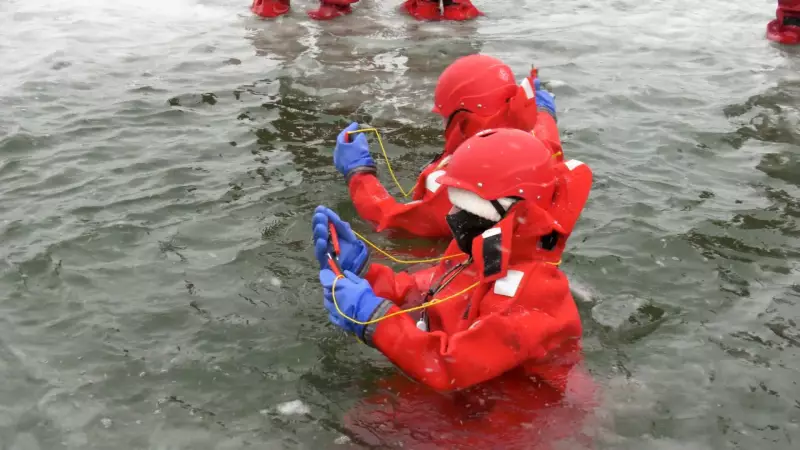
Contrary to popular belief, drowning is often silent and quick, not accompanied by loud splashing or calls for help. This "silent drowning" can occur in cold water when the victim is unable to vocalize due to shock. Supervision and education are key components of prevention. Programs like cold water rescue training, as highlighted in recent initiatives, equip individuals with skills to respond effectively in emergencies.
Experts also debunk the idea that children are the only group at risk. Adults, especially those engaging in winter sports or activities near frozen bodies of water, face significant hazards. Awareness campaigns encourage everyone to learn basic rescue techniques and to always inform others of their plans when venturing onto ice.
Moving Forward with Accurate Information
By dispelling these myths, communities can foster a culture of safety and preparedness. Educational efforts, including school programs and public service announcements, play a vital role in spreading accurate information. As climate change leads to more unpredictable winter conditions, staying informed about ice and cold water risks becomes increasingly important for all Canadians.
Ultimately, knowledge is the best defense against winter-related accidents. Embracing evidence-based practices and heeding expert advice can save lives and ensure that outdoor activities remain enjoyable and safe throughout the season.