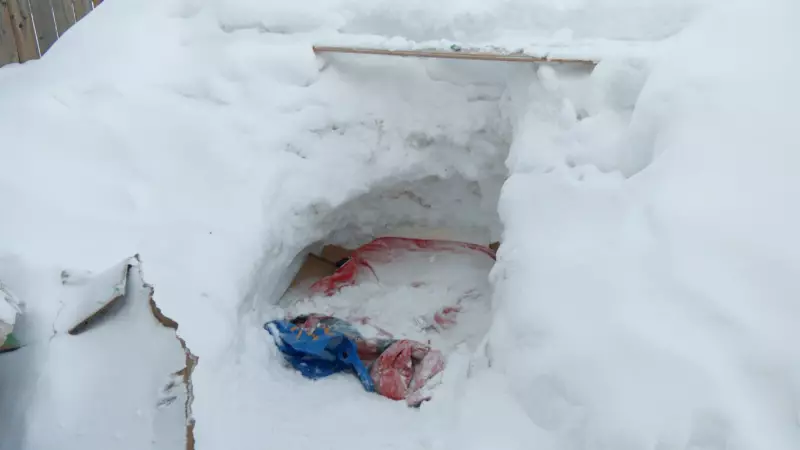
Homeless Residents Face Life-Threatening Cold in Timmins as Temperatures Plunge
As frigid temperatures and dangerous wind chills blanket Northern Ontario, homeless individuals in Timmins are confronting severe and potentially deadly conditions. With cold warnings issued across the region, some people have been forced to carve out makeshift shelters in snowbanks near the DIY Community Health Mutual Aid Site in a desperate attempt to stay warm.
Extreme Weather Exacerbates Existing Vulnerabilities
The current cold snap highlights the acute vulnerability of homeless populations during winter months in Canada. While the broader region grapples with weather-related challenges—including highway closures in Muskoka and snow squalls expected in Montreal—the situation in Timmins underscores a critical public health and safety issue. Homeless individuals, often lacking adequate shelter and resources, are at extreme risk of frostbite, hypothermia, and other cold-related injuries as temperatures continue to drop.
Community Response and Broader Context
The DIY Community Health Mutual Aid Site represents a grassroots effort to provide support, but the extreme conditions reveal gaps in systemic solutions for homelessness. This crisis occurs amid other provincial news, such as discussions on speeding up Ontario's critical minerals industry while maintaining environmental standards, and national conversations around mental health pressures highlighted by Bell Let's Talk Day. However, the immediate danger in Timmins calls for urgent attention to emergency shelter access and cold weather outreach programs.

Public health officials emphasize that prolonged exposure to such cold can be fatal, particularly for those without stable housing. The situation in Timmins is not isolated, as similar challenges are reported in other Canadian cities facing harsh winter weather, but it spotlights the need for coordinated efforts between municipal, provincial, and community organizations to protect vulnerable residents.
As winter deepens, advocates stress the importance of expanding shelter capacity and implementing proactive measures to prevent cold-related tragedies among homeless populations.