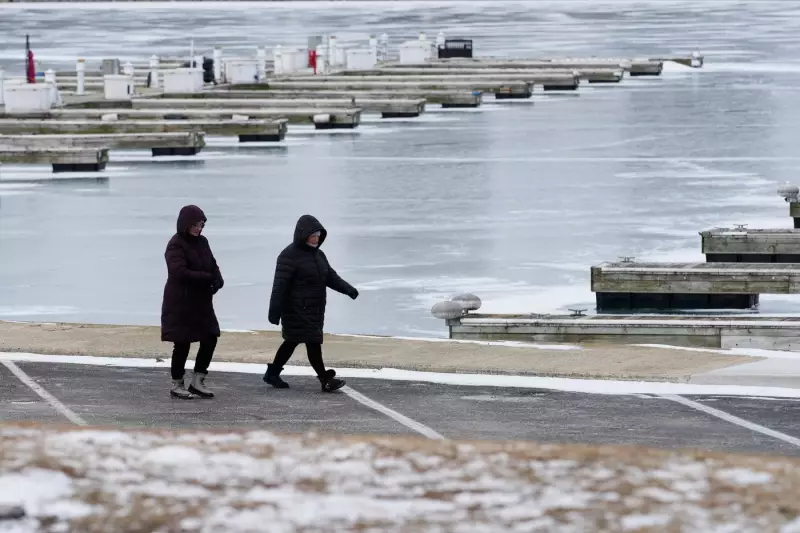
Frostbite Danger Escalates Amid Canada's Bitter Cold Snap
As a deep freeze plunges parts of Canada into dangerously low temperatures, health authorities are issuing urgent warnings about the heightened risk of frostbite. This severe winter weather, with some regions experiencing near -50°C wind chills, poses a significant threat to anyone venturing outdoors without proper protection.
Understanding Frostbite: More Than Just Cold Skin
Frostbite occurs when skin and underlying tissues freeze due to prolonged exposure to cold temperatures. It typically affects extremities like fingers, toes, ears, nose, and cheeks first. The initial signs include numbness, tingling, or a prickling sensation in the affected areas. As the condition progresses, skin may turn white, grayish-yellow, or blue and become hard or waxy to the touch.
Medical experts emphasize that frostbite can develop much faster than many people realize, especially when wind chill factors are considered. "In these extreme conditions, exposed skin can develop frostbite in as little as five to ten minutes," warns one emergency physician familiar with cold weather injuries.

Prevention Strategies for Extreme Cold
To minimize frostbite risk during this cold snap, health professionals recommend several essential precautions:
- Layer clothing appropriately: Wear multiple loose-fitting layers, with moisture-wicking material closest to your skin, insulating layers in the middle, and a waterproof outer layer.
- Protect all extremities: Use insulated gloves or mittens, thick socks, waterproof boots, a warm hat that covers your ears, and a scarf or face mask to protect your nose and cheeks.
- Limit outdoor exposure: Minimize time spent outside during the coldest parts of the day, especially when wind chill values are extreme.
- Stay dry: Wet clothing dramatically increases heat loss, so change out of damp garments immediately.
- Monitor for warning signs: Pay attention to any numbness, tingling, or skin discoloration, and seek shelter immediately if these symptoms appear.
Immediate Response to Suspected Frostbite
If you suspect frostbite, take these crucial steps immediately:
- Get to a warm place as quickly as possible.
- Remove wet clothing and gently warm the affected area using body heat or warm (not hot) water.
- Avoid rubbing or massaging frostbitten skin, as this can cause further tissue damage.
- Do not use direct heat sources like heating pads, stoves, or fires, which can burn numb skin.
- Seek medical attention promptly for proper assessment and treatment.
This current cold wave affecting Ontario, Quebec, and the Maritimes serves as a stark reminder of winter's dangers. Environment Canada has issued widespread cold warnings across multiple provinces, urging Canadians to take these threats seriously. While the phenomenon of "exploding trees" might capture attention during these deep freezes, the human health implications of extreme cold demand immediate and careful consideration from all residents facing these frigid conditions.