Essential Frostbite Prevention and Treatment Guide for Canadian Winters
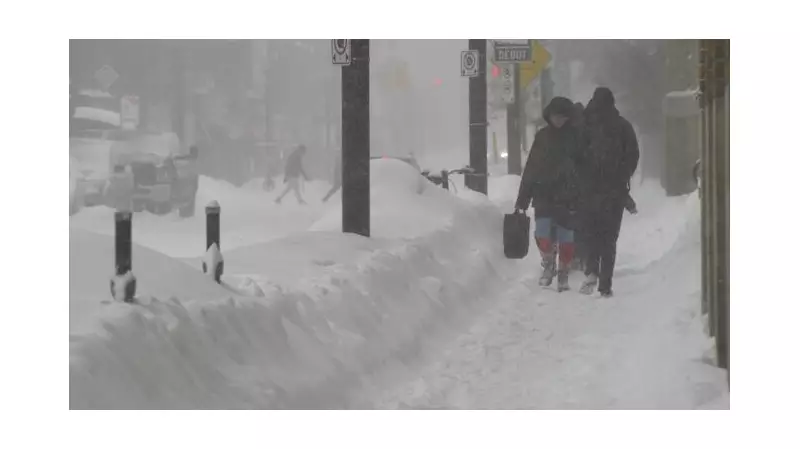
As Environment Canada issues warnings for bitterly cold temperatures across multiple provinces, with wind chills making it feel like -50°C in some regions, understanding frostbite prevention and treatment becomes critical for public safety. Medical experts emphasize that frostbite—a serious condition where skin and underlying tissues freeze—requires immediate attention and proper knowledge to prevent permanent damage.
Understanding Frostbite Risks in Extreme Cold
Frostbite typically occurs when exposed skin is subjected to freezing temperatures, especially when combined with wind. The condition progresses through stages, beginning with frostnip (mild skin freezing) and advancing to superficial and deep frostbite that can affect muscles, tendons, and bones. Recent incidents across Canada, including multiple hospitalizations from cold exposure and vehicle accidents during winter storms, highlight the urgency of frostbite awareness.
Proven Prevention Strategies
Medical professionals recommend several key strategies to prevent frostbite during extreme cold weather:

- Layer clothing appropriately with moisture-wicking base layers, insulating middle layers, and windproof outer layers
- Protect extremities with insulated gloves, waterproof boots, and face protection when wind chill values drop significantly
- Limit outdoor exposure during extreme cold warnings, especially when Environment Canada issues special weather statements
- Stay dry as wet clothing accelerates heat loss and increases frostbite risk
- Monitor for early signs including numbness, tingling, or skin discoloration (white, grayish-yellow, or blue)
Emergency Treatment Protocols
If frostbite is suspected, immediate action is crucial. Medical authorities recommend:
- Seek warm shelter immediately and remove any wet clothing
- Gradually warm affected areas using warm (not hot) water between 104-107°F (40-42°C)
- Avoid rubbing or massaging frostbitten areas, which can cause tissue damage
- Do not use direct heat sources like heating pads, fires, or radiators that can burn numb skin
- Seek medical attention promptly for proper assessment and treatment, especially if blisters form or sensation doesn't return
Special Considerations for Vulnerable Populations
Certain groups face higher frostbite risks during Canadian winters. Homeless populations, outdoor workers, children, seniors, and individuals with circulation problems require extra precautions. Municipal initiatives across Canadian cities aim to provide warming centers and emergency services during extreme cold snaps, though challenges remain in reaching all vulnerable residents.
As climate patterns shift and extreme weather events become more frequent, understanding cold-weather safety measures becomes increasingly important for all Canadians. Proper preparation, awareness of warning signs, and knowledge of emergency response protocols can significantly reduce frostbite incidents during the harshest winter months.