Floodwaters Displace Crocodiles into Urban Centers in Mozambique
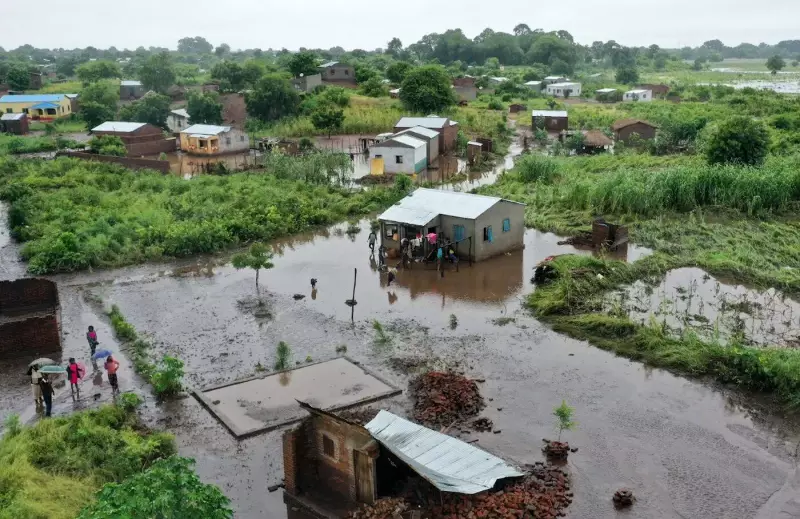
Intense flooding in Mozambique's Tete Province has created a dangerous and unprecedented situation, forcing crocodiles from their natural river habitats into populated towns and villages. This displacement, captured in video footage from January 15, 2026, is escalating into a major public health and safety crisis for local residents.
Rising Waters Trigger Wildlife Invasion
The floodwaters, which have submerged vast areas of the province, are not only destroying homes and infrastructure but also disrupting local ecosystems. Crocodiles, seeking higher ground and new territories, are now appearing in streets, near homes, and in community spaces where they pose a direct threat to human safety. This unusual wildlife movement underscores the severe and cascading impacts of the flooding event.
Compounding Health and Safety Risks
The presence of these large predators in urban environments significantly heightens the risk of attacks on residents. Beyond the immediate physical danger, health officials are expressing grave concerns about secondary public health issues. Floodwaters often contaminate drinking supplies and create ideal breeding grounds for waterborne diseases. The combination of displaced wildlife and compromised sanitation infrastructure could lead to outbreaks of illnesses such as cholera and typhoid, further straining the region's already limited healthcare resources.

Challenges for Emergency Response
Local authorities and emergency services are facing a complex, dual-threat scenario. Response efforts must now simultaneously address:
- Humanitarian aid for displaced families who have lost homes and belongings.
- Wildlife management to safely capture and relocate the crocodiles, a task requiring specialized skills and equipment.
- Public health interventions to prevent disease through water purification and sanitation campaigns.
This multifaceted disaster highlights the vulnerability of communities to extreme weather events and the unpredictable chain reactions they can trigger within local environments.
A Broader Environmental Warning
The situation in Tete Province serves as a stark reminder of how climate change and severe weather can violently alter the relationship between human settlements and wildlife. As flood patterns become more intense and frequent in various regions, similar incidents of human-wildlife conflict may increase, demanding better preparedness and integrated disaster response plans that account for ecological disruptions.