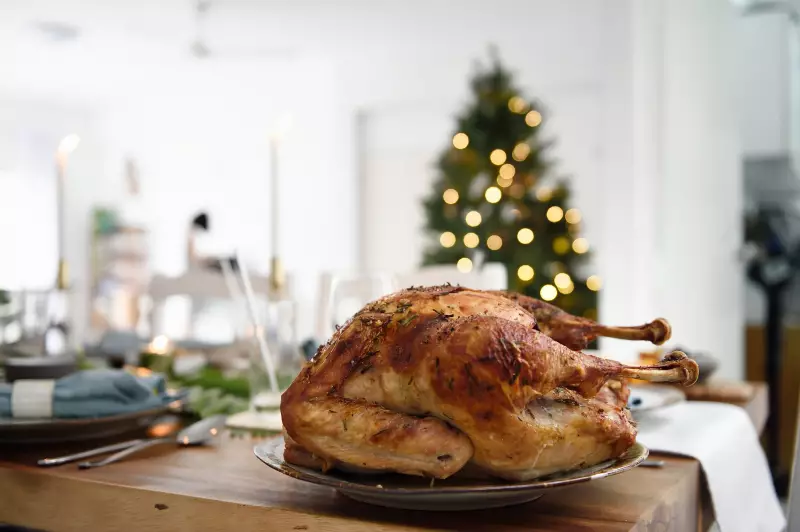
As the holiday season shifts into high gear, with festive dinners and family gatherings taking centre stage, a crucial element can sometimes be forgotten in the hustle and bustle: food safety. With so many distractions, the risk of foodborne illness increases. To help Canadians navigate this busy time safely, we sought expert advice from Dr. Paul.
Why Holiday Meals Pose a Unique Risk
The holidays present a perfect storm for potential food safety issues. Large meals are often prepared well in advance, leaving dishes to sit out for extended periods as guests mingle. Refrigerators are packed to capacity, making it difficult to cool leftovers quickly. Furthermore, cooking for a crowd can lead to cross-contamination if proper kitchen hygiene isn't maintained. Dr. Paul emphasizes that these factors combine to create an environment where bacteria like Salmonella and E. coli can thrive.
Dr. Paul's Essential Food Safety Guidelines
To ensure your celebrations are memorable for the right reasons, follow these key recommendations. First, always use a food thermometer. Poultry, like turkey, should reach an internal temperature of 74°C (165°F) at the thickest part of the breast and thigh. Hot foods should be kept hot (above 60°C) and cold foods cold (below 4°C). A critical rule is the "two-hour rule": perishable foods should not be left at room temperature for more than two hours. In warmer rooms, reduce this to one hour.

When handling raw meat, use separate cutting boards and utensils to prevent cross-contamination with vegetables or cooked foods. Wash your hands thoroughly with soap and warm water before and after handling food. For leftovers, divide them into shallow containers to cool rapidly in the refrigerator; a large pot of stew will cool too slowly in the centre, allowing bacteria to multiply.
Planning Ahead for a Safe and Healthy Celebration
Preparation is your best defence. Plan your cooking schedule so that hot food goes directly from the oven to the table. Ensure you have enough refrigerator space cleared in advance to store leftovers promptly. If you are transporting dishes to another location, use insulated coolers with ice packs for cold items and insulated carriers to keep hot foods hot. Dr. Paul reminds everyone that when in doubt, throw it out. It's not worth risking illness over a questionable portion of food.
By incorporating these simple yet effective practices into your holiday routine, you can significantly reduce the risk of foodborne illness. This allows you and your loved ones to focus on the joy of the season, sharing good food and good company without worry. A little vigilance in the kitchen ensures the holidays remain a time of health and happiness.